
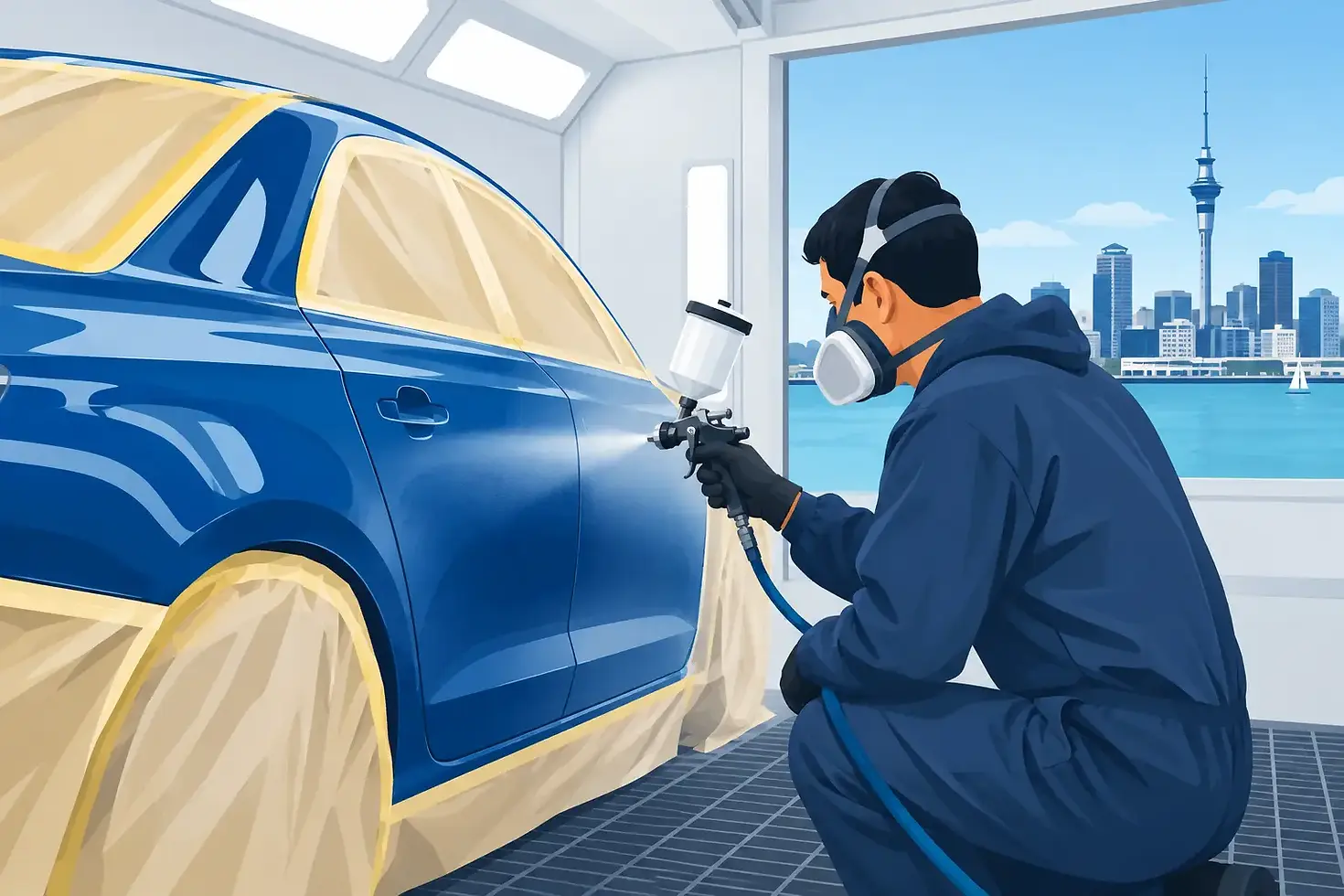
Car Spray Painting Auckland for a Finish That Lasts
A scrape along the rear door, peeling clear coat on the bonnet or paint damage after a collision can make an otherwise reliable car look tired fast. Quality car spray painting Auckland vehicle owners can depend on is not simply about applying fresh paint. It is about repairing the surface properly, matching the colour accurately and protecting the vehicle with a finish that looks right in every light.
For central Auckland drivers, a professional paint repair can restore pride in your car, help protect its resale value and prevent exposed areas from deteriorating. The right repair method depends on the damage, the age of the paintwork and how far the affected area extends.
What professional car spray painting involves
A good paint finish begins well before the spray booth. If a panel is dented, cracked, rusty or poorly repaired in the past, those issues need attention first. Painting over damage might appear cheaper initially, but imperfections can remain visible and the finish may fail sooner than it should.
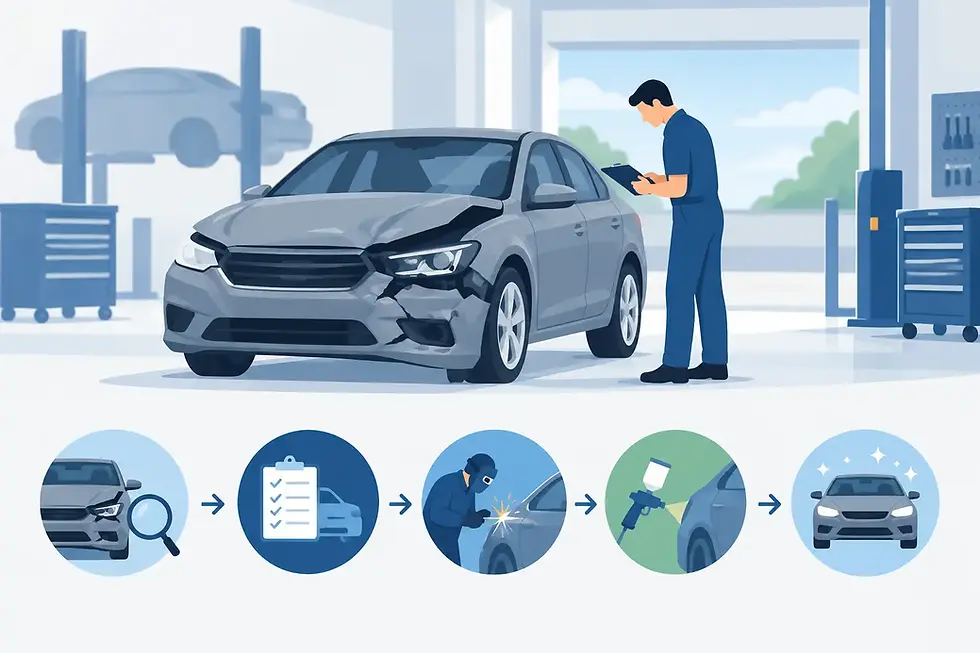
The repair process usually starts with an assessment of the panel and surrounding paintwork. The technician checks whether the damage is limited to the top paint layers or whether there is underlying panel damage, bumper damage or corrosion that must be repaired first. From there, the damaged area is prepared, primed, refinished and polished to blend naturally with the rest of the vehicle.
This is why a quote for spray painting can vary. A small touch-up on a door edge is very different from repairing and painting a bumper, blending into adjacent panels or refinishing a whole vehicle. Honest advice at the assessment stage helps avoid surprises once work is underway.
Why preparation matters as much as paint
Paint highlights whatever sits underneath it. Even a premium paint product cannot hide a poorly prepared panel. Professional preparation removes damaged material, smooths repaired areas and creates the correct surface for primer and topcoat adhesion.
For a typical panel repair, this may involve sanding damaged paint, carrying out panel beating where needed, applying filler carefully and using primer to seal and level the area. Each layer needs the proper drying time before the next one is applied. Rushing this stage can lead to uneven texture, sinkage, peeling or visible repair lines later.
Bumpers need particular care. Modern plastic bumpers flex, and their paint system must be suitable for the material. A bumper scuff may only require a local repair, while deeper gouges, splits or distortion can call for plastic repair work and a broader repaint. The best option depends on whether the repair can be blended invisibly and whether the finish on nearby panels has faded over time.
Colour matching is more than finding the paint code
Every vehicle has a manufacturer paint code, but that code is only the starting point. Sun exposure, washing habits, previous repairs and the age of the vehicle can all change how a colour appears. White, silver, grey, black and red can each show variation, while metallic and pearl finishes require especially careful application.
A professional workshop uses colour-matching technology and spray-out testing to identify the closest variation before painting. The paint may then be blended into adjoining panels so the repair does not stand out across a door, guard or bumper. This takes more skill and time than applying colour to one isolated patch, but it is often what creates a genuinely professional result.
It is also worth understanding that no two viewing conditions are the same. Paint can look different in direct sun, shade, workshop lighting and Auckland’s changeable weather. The goal is a colour and finish that sits naturally with the vehicle in normal day-to-day use, not a patch that looks acceptable only from one angle.
When a spot repair is suitable
A spot repair can be a practical solution for minor stone chips, light scratches, small scuffs and limited paint damage. It focuses on the affected section rather than repainting an entire panel. When the damage is small and positioned away from panel edges or sharp body lines, this can save time and cost while still delivering a tidy result.
However, spot repairs are not right for every job. A large scratch, damage close to an edge, widespread clear coat failure or a difficult metallic colour may require painting more of the panel and blending surrounding areas. An experienced technician will explain the trade-off clearly rather than promising an invisible repair where one is unlikely to be achievable.
For paint chips that have exposed bare metal, booking an assessment sooner is sensible. Auckland’s damp conditions and coastal air can allow corrosion to form under damaged paint. Treating a small chip early is generally simpler than repairing rust that has spread beneath the surface.
Full-panel and collision paint repairs
Following an accident, paintwork is only one part of the job. A panel can look mostly intact yet have dents, distorted mounting points, cracked plastic or damage behind the visible surface. Correct collision repairs address those issues first, then restore the finish once the vehicle is structurally and cosmetically ready.
This is particularly important around doors, guards, bonnets and bumpers, where panel gaps and alignment affect both appearance and function. For more significant damage, your repairer may need to coordinate panel repairs, replacement parts, paint refinishing and insurer requirements as one process. That approach reduces delays and ensures the final paintwork is applied to a sound foundation.
At Professional Panel + Paint in Grey Lynn, qualified technicians manage panel and paint repairs together, helping drivers avoid the hassle of arranging separate providers. For most suitable repairs, the target turnaround is five to seven working days, although parts availability, insurance approval and the extent of damage can affect the timing.
What affects the cost of car spray painting in Auckland?
The cost is driven by the repair required, not just the size of the painted area. A small visible scratch may need more preparation than expected if it has cut through the clear coat and colour layers. Likewise, a bumper can look simple to repaint but may require removal, plastic repair, sensor handling or blending to nearby panels.
The main factors include the depth and location of damage, whether panel beating is needed, the paint type, the number of panels that require blending and whether replacement parts are involved. Prestige, late-model and speciality finishes can also require additional colour-matching time.
For insurance repairs, the workshop can provide an estimate and help guide the claims process. Your insurer will confirm cover and any excess that applies under your policy, while the repairer can explain the practical work needed to return the vehicle to a safe, presentable condition. Clear communication early makes the process easier when you are already dealing with the stress of an accident.
How to look after fresh paintwork
Once the repair is complete, give the new finish time to settle. Your repairer will provide specific aftercare advice based on the paint system used and the work completed. In general, avoid harsh cleaning products, abrasive polishes and automatic car washes immediately after collection.
Hand washing with a pH-neutral car wash product is a safer choice once advised. Remove bird droppings, tree sap and road grime promptly, as they can mark paint if left sitting on the surface. Parking under cover where practical also helps protect the finish from strong sun and contamination.
If you notice a new chip, scrape or peeling section of paint, do not wait for it to become a bigger repair. A straightforward assessment can tell you whether a targeted touch-up, cut and polish, bumper repair or full refinishing is the sensible next step. Getting the right advice early is often the easiest way to keep your car looking cared for and ready for the road.


Comments