

Is Headlight Restoration Auckland Worth It?
Cloudy headlights can make an otherwise well-kept vehicle look tired, but the bigger concern is what happens after dark or in heavy Auckland rain. Headlight restoration Auckland vehicle owners arrange at the right time can improve light output, sharpen the appearance of the front end and help make night driving feel safer again.
The dull, yellowed layer on a headlight is not usually just surface dirt. Most modern headlights use a clear polycarbonate lens that is exposed to UV light, road grime, heat, car-wash chemicals and changing weather. Over time, its protective coating breaks down. The lens can become hazy, yellow, scratched or patchy, reducing the amount of usable light reaching the road.
For drivers commuting through Grey Lynn, Ponsonby and central Auckland, it is easy to overlook this gradual change. You may not notice how much brightness has been lost until you drive a newer vehicle at night, encounter poor visibility on a wet road or receive advice at a Warrant of Fitness inspection.
When headlight restoration is the right repair
Professional restoration is a sensible option when the damage is mainly on the outside of the lens. Common signs include a yellow or milky appearance, fine surface scratches, a rough finish around the top of the lamp, or headlights that look unevenly faded compared with the rest of the vehicle.
A proper restoration process removes the damaged outer layer rather than simply applying a dressing to disguise it. The lens is carefully prepared, refined to restore clarity, then protected with a suitable UV-resistant coating. That final protection matters. Without it, freshly polished headlights can look clearer for a short period but fade again far sooner than they should.
Restoration is often more economical than replacing complete headlight assemblies, particularly where the original units are otherwise in good condition. It can also lift the overall presentation of a vehicle before sale, after panel repairs or as part of a cut-and-polish service.
It does depend on the condition of the lights. If a lens is deeply cracked, broken, badly distorted by heat, full of moisture or damaged internally, polishing the outside will not solve the underlying issue. In those cases, replacement or further assessment is the safer and more honest recommendation.
Why DIY kits do not always last
A DIY headlight kit can be tempting when the lenses are only lightly hazed. For someone confident with preparation and willing to follow each stage carefully, it may offer a short-term improvement. The trade-off is that the result often comes down to the quality of sanding, how evenly the lens is polished and whether durable UV protection is applied afterwards.
Headlights have curved surfaces, edges and tight sections near the grille, guards and bumper. It is easy to leave sanding marks, create an uneven finish or damage surrounding paint if the area is not masked and prepared correctly. A quick compound polish can make a yellow lens look better on the day, yet it does not necessarily remove the degraded material or provide lasting protection.
There is also a safety consideration. Headlights are designed to distribute light in a controlled pattern. Severe scratches, cloudy patches and an inconsistent finish can affect how effectively light travels through the lens. Professional work focuses on restoring clarity without creating unnecessary damage to the lens surface.
What professional headlight restoration involves
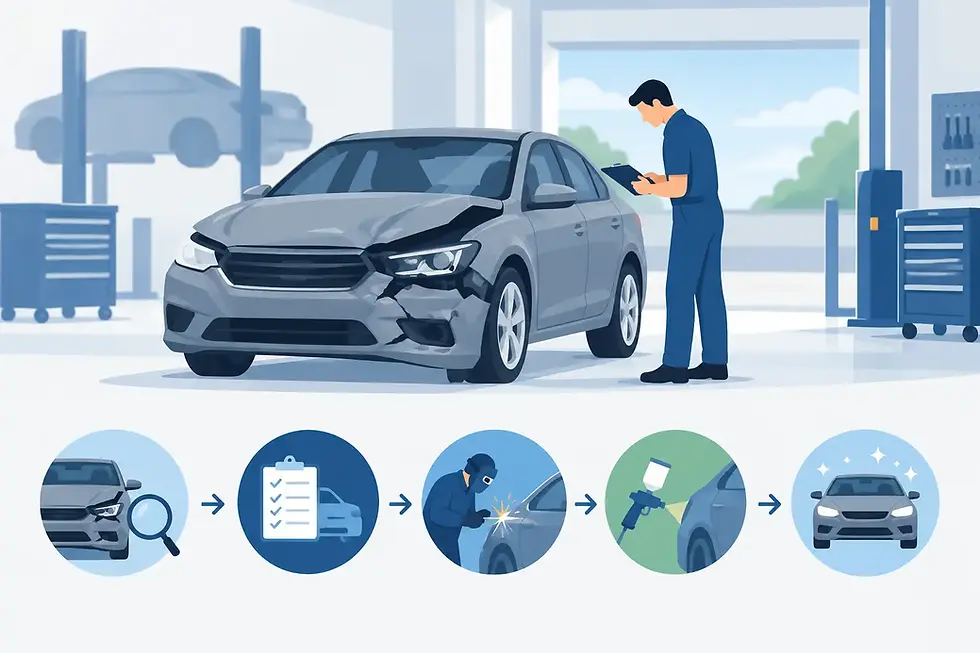
The correct process starts with inspection. A technician checks whether the haze is external, whether there are cracks or signs of impact damage, and whether the headlight housing has water ingress or internal deterioration. This avoids spending money on restoration where replacement is the better option.
The surrounding paintwork, bumper and trim are then protected. The lens is progressively refined to remove the oxidised surface and minimise visible scratches. It is polished for clarity before a protective finish is applied to help resist future UV exposure.
The process is more measured than a fast polish, and that is where the value sits. The aim is not merely to make headlights look glossy under workshop lighting. It is to return them to a clean, even appearance with protection that supports a longer-lasting result.
At Professional Panel + Paint, headlight work can also be assessed alongside bumper scuffs, paint damage and front-end repairs. This is useful after a minor collision, where the bumper and headlight area may both need attention. One inspection gives you a clearer view of what is cosmetic, what needs repair and what can wait.
How long does headlight restoration take?
For straightforward external oxidation, headlight restoration can often be completed within a workshop visit. The exact timing depends on the condition of the lenses, the protection system used and whether there is related bodywork to complete.
If the vehicle is already booked for collision repairs, painting or bumper restoration, the headlights can be included in the repair plan where appropriate. This can be more convenient than arranging separate appointments, especially when you rely on your car for work, family commitments or daily travel.
Before work begins, ask for an assessment and a clear quote. A good workshop should explain the condition of the lenses, what result is realistic, whether both headlights should be treated, and whether any damage makes replacement the more practical choice. No surprises is always better than a low initial price followed by an incomplete result.
Will restored headlights help with a Warrant of Fitness?
Headlights need to operate correctly and provide adequate light for safe driving. A cloudy lens may contribute to concerns about light performance, but a restoration service cannot fix every reason a headlight might fail a Warrant of Fitness.
Blown bulbs, incorrect bulb fitment, poor beam alignment, damaged mounts, water inside the housing and electrical faults need their own diagnosis. If the lens is simply oxidised on the outside, restoration may be an appropriate part of getting the vehicle back to a safer standard. If the issue is deeper, the repair should address the actual cause rather than polish over it.
It is also worth checking both sides. One yellowed headlight beside one relatively clear unit can make the vehicle look mismatched and may result in uneven light output. Treating the pair generally provides a more consistent appearance and driving experience.
Looking after your headlights after restoration
The best protection is regular, gentle cleaning. Wash headlights with normal car-wash products, dry them after cleaning and avoid harsh solvents or abrasive pads. Parking under cover when practical can also reduce ongoing UV exposure, although Auckland weather and daily use mean no coating lasts forever.
If you notice the lenses beginning to dull again, book an inspection before the oxidation becomes heavy. Early attention is usually simpler than waiting until the surface is deeply yellowed or damaged. It also gives a technician the chance to spot cracks, loose seals or moisture before they develop into a more costly headlight replacement.
Clear headlights are a small detail with a real effect on safety, confidence and the way your vehicle presents. If yours are looking cloudy, an honest assessment will tell you whether restoration is the sensible repair or whether another solution will serve you better.


Comments