

Can I Choose My Own Repairer After a Crash?
A damaged bumper, scraped door or more serious collision can leave you juggling tow trucks, claim numbers and calls from an insurer. It is natural to ask, can I choose my own repairer rather than simply accepting the first workshop suggested? Often, you may have a say, but the answer depends on your insurance policy, the type of claim and whether your insurer needs to approve the work first.
The most useful step is to choose carefully, then speak with your insurer before repairs begin. A quality repair is about more than making the damage less visible. It needs to restore the vehicle’s safety, structure, paint finish and value as closely as possible to its pre-accident condition.
Can I choose my own repairer for an insurance claim?
Many insurers have preferred repairer networks. These are workshops they work with regularly and may recommend because pricing, authorisation and warranty arrangements are already in place. A recommendation is not always the same as a requirement, however.
Some policies specifically let you nominate a repairer. Others allow it only where the repairer is approved by the insurer, while certain policies may direct you to a network repairer unless there is a valid reason to use another workshop. The wording in your policy schedule and product disclosure documents matters more than a general assumption about what an insurer will permit.
If you have a workshop in mind, tell the insurer when you lodge the claim. Ask a clear question: “Can I use my chosen repairer, and what approval is needed before work starts?” It is worth getting the response in writing, especially where there is any uncertainty about authorisation, excess, warranties or hire-car cover.
Choosing your own repairer does not usually mean an insurer must accept any quote without assessment. They may inspect the vehicle, request photographs, approve a repair plan or compare the estimate with their own assessment. That is a normal part of a claim. The key is making sure the process does not lead to shortcuts or unclear responsibility.
Why your choice of repairer matters
Not all vehicle damage is obvious from the outside. A light-looking impact can affect bumper mounts, sensors, brackets, alignment points or panels behind the visible damage. Modern cars may also have cameras, parking sensors and driver-assistance systems that need careful removal, refitting and, where required, calibration.
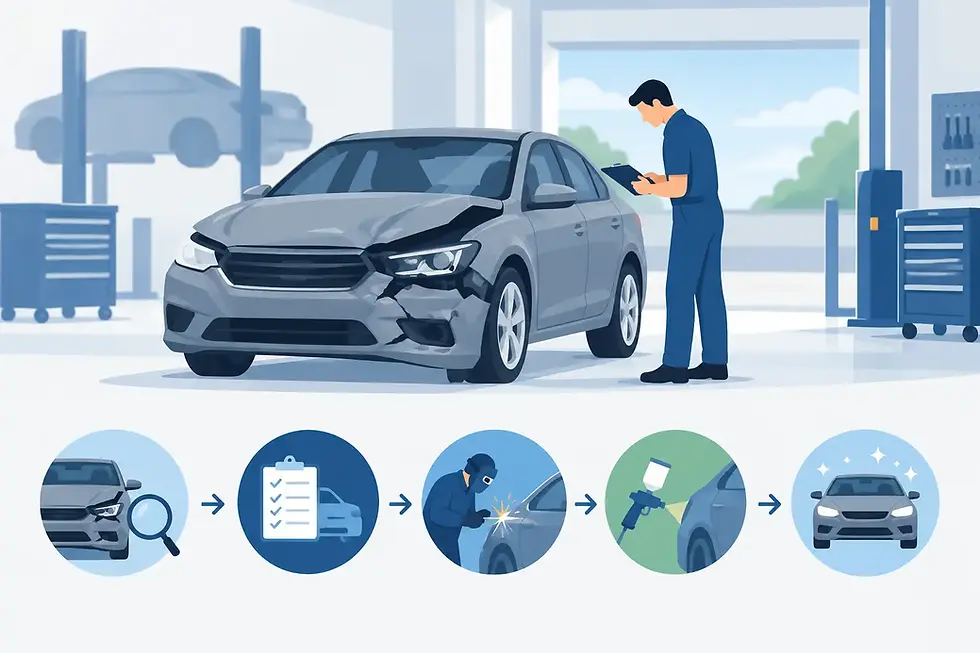
A proper body repairer assesses the full extent of the damage before finalising the repair method. If additional damage is found once parts are removed, the workshop should explain why a supplementary assessment is needed and obtain insurer approval before carrying on. That approach protects you from surprises and helps ensure the work is completed correctly rather than rushed to fit an early estimate.
Paintwork is another area where workmanship shows. A close colour match relies on more than selecting a paint code. Paint can change over time due to sun exposure, previous repairs and the age of the vehicle. Experienced spray painters use colour-matching technology and blend adjoining panels where appropriate so the finish looks consistent in everyday light, not only inside the workshop.
There is also the practical side. A local repairer can give you a realistic timeframe, keep you updated and provide a clear point of contact if you have questions. For drivers in Grey Lynn, Ponsonby and central Auckland, that can make a stressful interruption feel far more manageable.
What to check before nominating a repairer
A low quote can be tempting after an accident, particularly if you are paying an excess or have damage that falls below your insurance excess. But the cheapest option is not automatically the best value. Ask how the repairer intends to repair the vehicle, what parts will be used, and whether their estimate includes preparation, refinishing and any required mechanical or safety-related checks.
Look for a workshop that can explain the work in plain language. You should know whether panels will be repaired or replaced, whether genuine, aftermarket or recycled parts are proposed, and why that choice suits the job. There can be sensible reasons to use different types of parts, but there should be no confusion about what is being fitted to your car.
It is also reasonable to ask about repair guarantees, insurer compatibility, expected turnaround and how updates will be handled. Most minor panel and paint work can be completed relatively quickly once parts and approval are available, but larger collision repairs may take longer. A workshop that promises a date before inspecting the damage properly is not necessarily doing you a favour.
Professional Panel + Paint has more than 25 years of industry experience and coordinates panel repairs, paintwork and insurer communication from its Grey Lynn workshop. For many standard repairs, the target turnaround is five to seven working days, although the actual timing will depend on damage, parts availability and insurer approval.
How to keep your insurance claim moving
Once everyone agrees on the repairer, delays are often caused by missing information rather than the repair itself. Lodge the claim promptly and keep your claim number handy. Provide accurate details about the incident, including photos if you have them, and let the workshop know which insurer is involved.
A repairer can usually prepare an estimate and communicate with the insurer about the scope of work. However, you remain the policyholder, so check any requests your insurer sends and respond promptly. If the vehicle is unsafe to drive, do not keep using it while waiting for the claim to progress. Damage to lights, tyres, steering, doors, mirrors or structural areas can make a vehicle unsuitable for the road even when it still starts and drives.
Before authorising work yourself, clarify whether the insurer has approved the estimate. If you proceed with repairs outside the approved claim process, you could be asked to cover some or all of the cost. This is particularly relevant if you arrange a repair before the insurer has inspected the vehicle or agreed to a supplementary quote.
Questions worth asking your insurer
Keep the conversation simple and specific. Ask whether you can nominate your chosen repairer, whether the workshop needs to be within an approved network, and whether an inspection is required before repairs start. Confirm your excess, the approved scope of repairs, and whether a loan vehicle or replacement transport is included under your policy.
If the insurer recommends a different workshop, ask why. It may be a policy condition, an issue with capacity, or simply a recommendation based on their network. Knowing the reason helps you make an informed decision and avoids assumptions on either side.
If you are paying privately
When you are not making an insurance claim, you have more direct control over where the vehicle is repaired. This could apply to a small scrape, a bumper scuff, faded paint, stone chips or damage that costs less than your excess. Even then, a written estimate is worthwhile.
A transparent quote should set out the visible work required and explain that hidden damage may only become apparent after dismantling. It should also make clear whether GST is included, what the estimated timeframe is, and whether replacement parts are likely to affect the final price. Honest advice at the start is far better than an awkward conversation after the car is already in pieces.
For cosmetic damage, ask whether repair is practical or whether replacement makes more sense. A skilled repair can often save a panel or bumper, but severe cracking, distorted mounting points or damage near safety equipment may mean replacement is the safer long-term option.
Choose confidence, not just convenience
After a crash, it is easy to focus only on getting your car back quickly. Speed matters, especially when you rely on it for work, school runs or daily travel, but it should sit alongside repair quality, clear communication and safe workmanship.
Take a moment to read your policy, ask the insurer what choice you have, and choose a repairer prepared to explain the job before it begins. The right workshop will help you understand the next step, manage the practical details and get your vehicle back on the road safely and efficiently.


Comments