

Panel Beaters Auckland: What a Quality Repair Includes
A scrape along the bumper, a dented door in the supermarket car park or damage after a more serious crash can make every drive feel frustrating. The right panel beaters Auckland drivers choose do more than make a vehicle look better. They assess what sits behind the visible damage, repair it properly and help you understand the next step without adding to the stress.
For central Auckland motorists, getting the job done correctly matters just as much as getting it done quickly. Your car may be needed for work, school runs and everything in between. A professional repair should return it to a safe, presentable condition with clear communication from the first estimate through to collection.
What quality panel beating actually involves
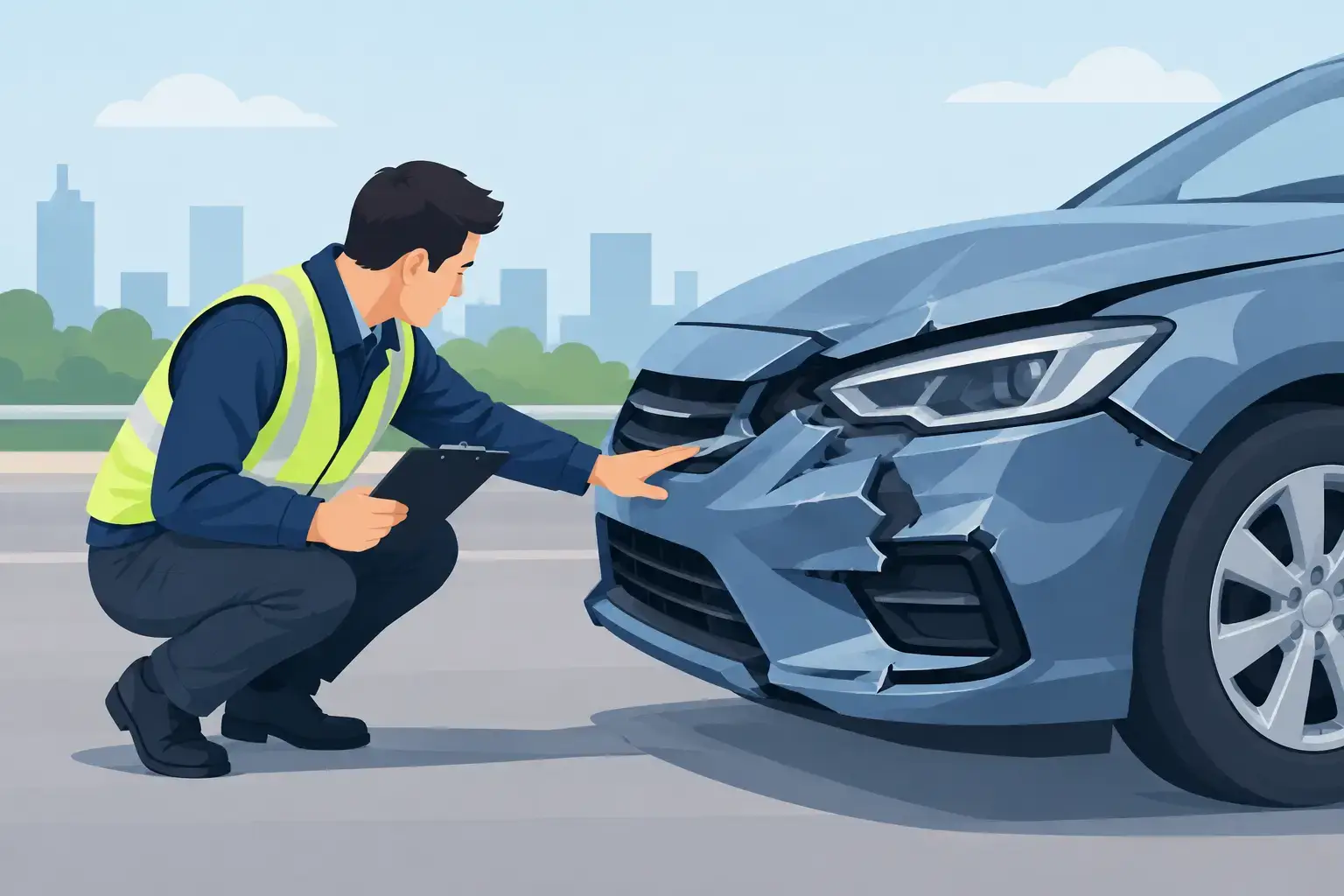
Panel beating is the process of restoring damaged vehicle bodywork. Depending on the impact, that may involve reshaping a dented guard, repairing or replacing a bumper, straightening a door skin, correcting panel alignment or addressing structural damage beneath the exterior panels.
The visible mark is not always the full story. Modern vehicles have carefully designed crumple zones, mounting points, sensors and safety components behind bumpers and panels. A low-speed impact can crack brackets, push a panel out of alignment or affect clips and fittings that are not obvious at first glance. That is why a proper inspection is more reliable than judging the repair from a photo alone.
A quality repair also considers how each panel meets the next. Consistent gaps around doors, bonnets, boots and bumpers are a useful sign of careful workmanship. So is a finish that matches the surrounding paintwork rather than drawing attention to the repaired area in bright Auckland sunlight.
From damage assessment to a finished repair
The repair process should start with a clear assessment and quote. A technician will inspect the damaged area, identify whether parts can be repaired or need replacing, and explain the likely work involved. If there is hidden damage, it may only become fully apparent once the vehicle has been dismantled. In that situation, a good workshop will keep you informed before proceeding with additional work.
For minor dents and cosmetic damage, repair may include carefully reshaping the metal or plastic, applying finishing material where needed, preparing the surface and repainting the affected section. Damage to bumpers can often be repaired if the plastic is sound, but deep splits, missing sections or damage around mounting points may mean replacement is the safer option.
More significant collision repairs can require panel replacement, chassis or structural measurement, alignment work and repairs to internal supports. This is not the time for shortcuts. A vehicle can appear acceptable from the outside while still having issues that affect how panels fit, how lights sit or how the car performs in a future impact.
Once the bodywork is complete, the paint process is just as important. The damaged area is prepared, primed and refinished using colour-matching technology. Depending on the paint colour, age of the vehicle and location of the repair, the painter may blend colour into an adjoining panel to achieve a more natural result. This can involve more work than painting one small section, but it helps prevent a noticeable variation in shade.
After painting, the vehicle is reassembled, checked for fit and finish, and cleaned before handover. A final quality check should cover panel alignment, paint finish, lights, trim, doors and other affected components. The aim is not simply to hide damage, but to return the vehicle in a condition you can feel confident driving.
Panel beaters Auckland drivers can rely on after an accident
After an accident, it is easy to focus on the insurance claim and forget the practical details. Start by taking photos of the damage, noting the other driver’s details if relevant and contacting your insurer as soon as you can. Even if the vehicle is drivable, avoid assuming it is safe without an assessment, particularly after an impact to the front, rear or wheel area.
An insurer-compatible workshop can help make the process more straightforward. They can prepare a repair estimate, provide the supporting information your insurer may need and communicate through the approval process. Your insurer will confirm the terms of your policy, including any excess and whether specific repair arrangements apply, but you should still expect clear advice from the repairer about what happens next.
There can be a difference between choosing the cheapest quote and choosing the repair that properly addresses the damage. A lower price may reflect fewer repair steps, reduced preparation time, non-genuine parts where alternatives are available or a repair approach that does not fully account for hidden issues. The best option depends on the vehicle, the damage and your insurer’s requirements, but the scope of work should always be explained in plain language.
At Professional Panel + Paint in Grey Lynn, the focus is on managing the repair from assessment through to refinishing and insurer liaison, so customers are not left coordinating several providers themselves.
How long should vehicle repairs take?
Repair times depend on parts availability, insurer approval, the extent of the damage and how much refinishing is required. For many straightforward cosmetic and collision repairs, a target of five to seven working days is realistic once the job is approved and required parts are available. Larger accident repairs can take longer, especially where structural work, specialist parts or additional damage is identified during dismantling.
A workshop should give you an expected timeframe, then update you if circumstances change. No repairer can honestly promise an exact collection date before every part has arrived and the vehicle has been fully assessed, but you should not be left chasing information. Clear updates are part of a professional service.
If being without your car will affect work or family commitments, ask about loan vehicle availability when booking. It is best to discuss this early, as availability can vary.
What to look for before booking a repair
Experience matters, particularly when the repair involves more than a light scratch. Look for qualified technicians, a workshop with a clear repair process and a track record of completed work. Customer reviews can also give useful insight into communication, turnaround times and the finished result.
Ask whether the quote covers all expected repair stages, including paint preparation, colour matching, parts, reassembly and final checks. You do not need to know the technical terminology, but you are entitled to understand what your vehicle needs and why. Honest advice includes telling you when a small repair is suitable and when replacement or more extensive work is the safer choice.
It is also worth checking how the workshop approaches paintwork. Auckland’s strong UV exposure can make faded paint and poor colour matches more noticeable. A proper spray painting repair should consider the condition of the surrounding panels, not just the newly painted area.
Before you bring your car in
Remove valuables and personal items from the glovebox, centre console and boot. If the damage followed a collision, bring your claim number and insurer details if you have them. Photos taken at the scene can be helpful, especially where the workshop needs to understand how the impact occurred.
Do not try to push loose bumper sections back into place with tape or attempt a home repair before an assessment. Temporary fixes can hide cracks, damage paint further or make it harder to see the full extent of the problem. If a light, bumper or wheel appears loose, arrange advice before driving the vehicle.
A careful repair gives you more than a cleaner-looking car. It gives you the reassurance that the vehicle has been assessed properly, repaired with attention to safety and finished to a professional standard. If you are unsure whether damage is cosmetic or more serious, booking an assessment is the simplest way to get a clear answer and move forward with confidence.


Comments