

Insurance Repair Versus Private: Which Is Better?
A damaged bumper in a supermarket car park or a scrape along the passenger door can leave you with the same immediate question: insurance repair versus private payment - which option makes the most sense? The right answer depends on the repair cost, your policy excess, the cause of the damage and how much you want to protect your claims history.
For Auckland drivers, the decision is not always as simple as getting the cheapest quote. A proper repair needs to restore the look, safety and value of your vehicle. That means accurate colour matching, correct panel preparation, quality parts where required and repairs completed by qualified technicians. Before deciding how to pay, it helps to understand what each path involves.
When an insurance repair makes sense
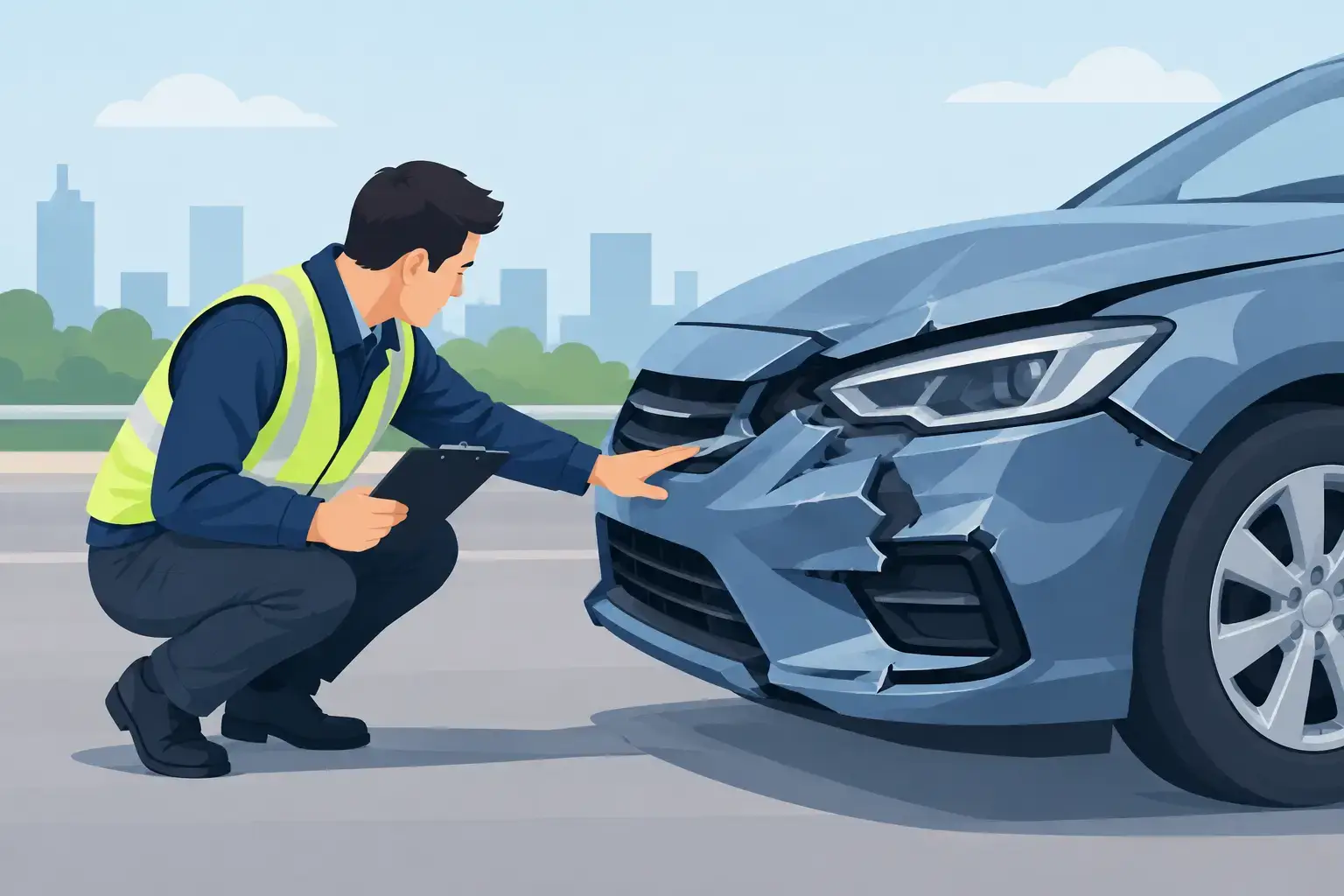
An insurance repair is usually worth considering when the damage is significant or the likely repair cost is well above your excess. This is common after a collision, where damage behind a bumper, around a wheel arch or within a door can be more extensive than it first appears.
Your insurer may cover approved repair costs after you pay the applicable excess, subject to the terms of your policy. Depending on the circumstances, you may not have to pay an excess at all. For example, if another driver is clearly at fault, identified and insured, your insurer may recover costs from them. Your policy and insurer will confirm how this applies to your claim.
Insurance is particularly helpful when there may be hidden damage. A light impact can crack bumper mounts, bend brackets, affect parking sensors or damage structural components behind an exterior panel. Repairing only what is visible can create problems later. An insurer-approved assessment gives the workshop and insurer a clear scope of work before repairs begin.
There is also reassurance in having a repairer manage the practical side of the claim. At Professional Panel + Paint, we can assist with estimates, insurer communication and repair coordination, so you are not left trying to translate workshop terminology while dealing with the disruption of an accident.
Consider your excess first
The excess is the amount you contribute towards an insurance claim. If your excess is $800 and a cosmetic repair is quoted at $950, making a claim may not offer much financial benefit. You may still choose insurance if the assessment identifies additional damage, but it is sensible to get clear advice before lodging the claim.
If the repair estimate is $3,000 or $6,000, the equation changes. Paying your excess may be far more manageable than funding the full repair yourself. This is especially true for newer vehicles, prestige paint finishes, multi-panel damage or collision repairs involving safety-related parts.
Claims history can be a factor
Some drivers prefer to pay privately for a small repair to avoid making a claim. Whether a claim affects future premiums, no-claim benefits or policy terms depends on your insurer and policy. There is no universal rule, so it is worth asking your insurer directly rather than relying on assumptions.
It is also worth separating a notification from a formal claim. If you are unsure which route to take, ask your insurer what information they need and whether speaking with them will be recorded as a claim. Clear information upfront prevents surprises later.
When private payment is the better option
Private payment can be a practical choice for minor, contained damage where the repair cost is close to or below your excess. Typical examples include small dents, paint scuffs, minor bumper damage, stone chips, faded paintwork or cloudy headlights.
The main advantage is control. You can obtain a transparent repair quote, decide whether to proceed and book the work without involving your insurer. For damage that does not affect safety or require major parts replacement, this can be the simplest route.
Private repairs are also useful when you want to address cosmetic damage before selling a vehicle, returning a lease car or simply keeping your vehicle looking well cared for. A professional cut and polish, touch-up, bumper restoration or paint repair can make a noticeable difference without the complexity of a claim.
That said, private payment should not mean cutting corners. A very cheap repair can look acceptable on collection but show problems weeks later through mismatched colour, poor paint blending, overspray, uneven panel gaps or premature peeling. Ask what preparation, refinishing and warranty support are included in the quote.
Insurance repair versus private: compare the real cost
The best way to compare insurance repair versus private payment is to look beyond the first number. Start with the excess, then compare it with a written private quote for the full repair. If there is a possibility of hidden damage, factor that into your decision as well.
A small scrape may look like a straightforward paint job, but modern vehicles often have sensors, cameras, mouldings and painted plastic components that need careful removal and refitting. A workshop should inspect the damaged area before confirming what is required.
Also consider convenience. An insurance repair can provide access to a wider repair scope where accident damage is substantial, while a private repair can be faster to authorise for straightforward cosmetic work. Timelines will depend on parts availability, insurer approval, paint curing and the extent of the damage. Many standard repairs can be completed within five to seven working days, but more involved collision repairs may take longer.
What a quality repair should include
Whether you pay through insurance or privately, the repair standard should remain professional. Your vehicle deserves the same care regardless of who funds the work.
A proper body repair begins with an assessment, not a guess based on a photo. The technician checks the damaged panel, surrounding components, alignment and paint condition. If repairs are approved, the work may involve panel beating, bumper repairs, replacement parts, surface preparation, primer, colour matching and refinishing.
Colour matching matters more than many drivers realise. Paint can fade over time, and factory paint codes do not always produce an exact visual match on an older vehicle. A capable spray painter will assess the existing finish and blend colour into adjacent panels where needed for a consistent result.
For collision work, safety is just as important as appearance. Damaged mounts, reinforcement bars, lights, wheel-arch liners and structural areas should be inspected and repaired correctly. A vehicle that looks tidy but has unresolved underlying damage is not a good outcome.
Questions to ask before you decide
Before authorising either path, ask for a written estimate and an explanation of what it covers. You should know whether parts, paint materials, GST, stripping and refitting, and any likely additional work are included.
If you are using insurance, ask whether your insurer has approved the repairer, what excess applies and whether a loan vehicle is available under your policy or through the workshop. If you are paying privately, ask whether the quote is fixed or subject to inspection once parts are removed.
It is reasonable to ask about repair timing too. A dependable workshop should give you a realistic timeframe rather than promising an unrealistic turnaround. Clear updates matter when you rely on your car for commuting, school runs, appointments or work.
Choose the option that protects your vehicle and budget
For a minor scuff that costs less than your excess, private payment may be the cleanest solution. For accident damage, multiple damaged panels or anything that may involve hidden or safety-related repairs, insurance is often the more sensible option.
If you are undecided, start with an honest assessment and a clear quote. The goal is not simply to get the vehicle looking better for now. It is to make a confident decision, restore it properly and get back on the road safely with no surprises.


Comments