

Best Car Body Repair Options After a Crash
A damaged bumper in a tight Ponsonby car park is not the same job as a bent door after a side impact. The best car body repair options depend on where the damage sits, how deep it goes, whether safety systems are affected, and the result you expect when you collect your vehicle. Getting the right advice early can prevent a small cosmetic issue becoming a larger and more expensive repair.
For Auckland drivers, the priority is usually straightforward: restore the vehicle properly, deal with insurance without unnecessary stress, and get back on the road with confidence. A professional assessment gives you a clear starting point, including what needs repairing, what may need replacing, the likely timeframe, and whether an insurer should be involved.
Best car body repair options by type of damage
There is no single repair method that suits every scrape, dent or collision. A quality repairer will assess the vehicle rather than applying a one-size-fits-all solution. The aim is to return the panel, paintwork and safety-related components to the correct standard, not simply make the damage less noticeable.
Paintless dent repair for minor dents
Paintless dent repair can be a practical option for small, shallow dents where the paint surface has not cracked or chipped. It involves carefully manipulating the metal from behind the panel, gradually returning it to its original shape without repainting.
This method can work well for some trolley dents, door dings and minor hail damage. It is not suitable for every dent. Creased metal, stretched panels, damaged paint and dents close to panel edges often require conventional panel repair and refinishing instead. An inspection is the only reliable way to know whether paintless dent repair will achieve a professional result.
Panel beating for dents, creases and collision damage
Panel beating is the right option when damage is too severe for a simple dent removal. Qualified technicians reshape damaged metal or plastic, repair affected sections, and prepare the surface for refinishing. Depending on the impact, this may involve repairing a guard, door, quarter panel, bonnet, boot lid or bumper.
A proper panel repair is about more than appearance. Panels need to align correctly with surrounding bodywork, gaps need to be even, and doors, bonnets and boots must open and close as intended. If a collision has affected mounting points or structural areas, the repair process may also include measuring and realigning the vehicle body before cosmetic work begins.
Bumper repairs and restoration
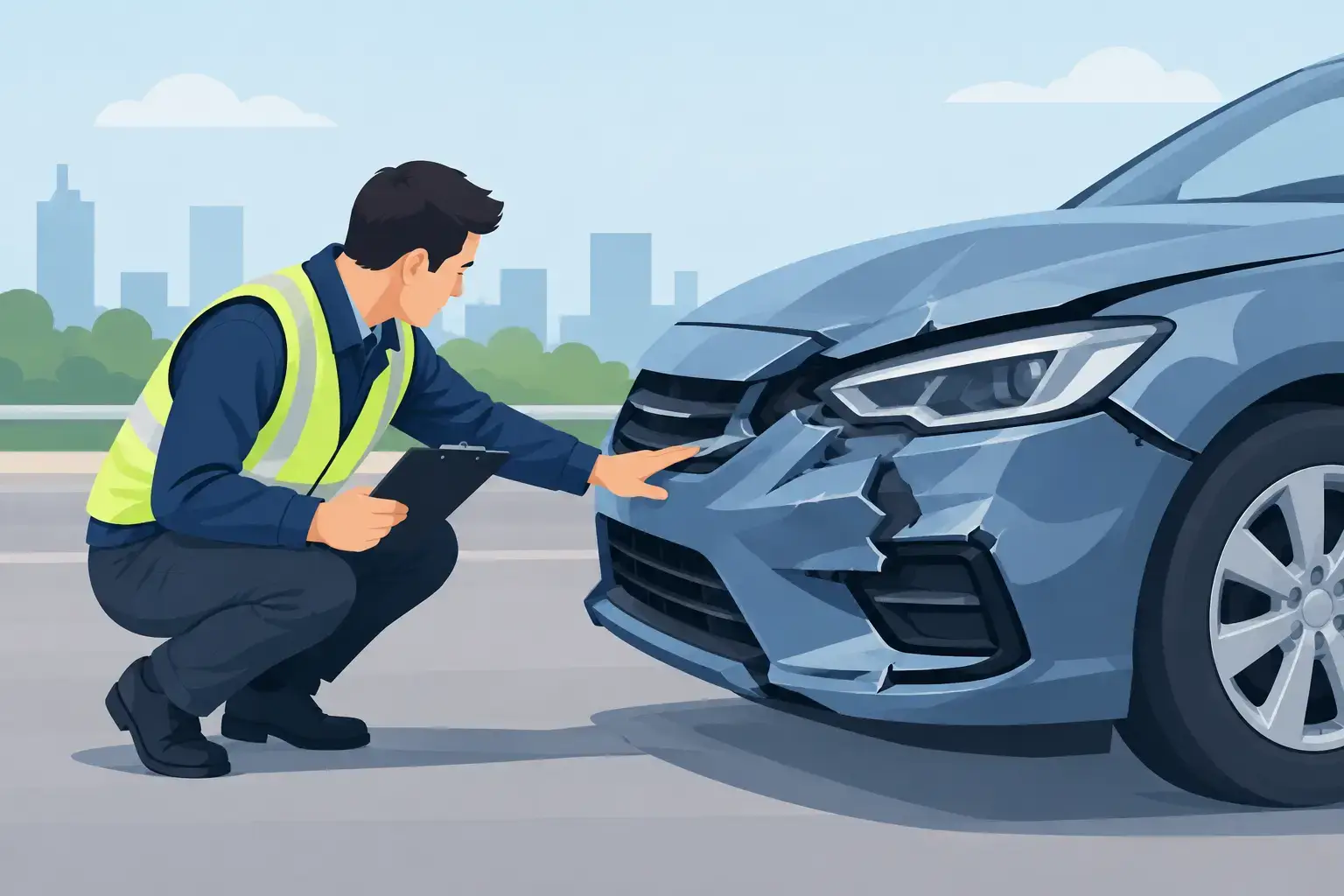
Modern bumpers are designed to absorb minor impacts, but they can still crack, split, scuff or become distorted. In many cases, repairing the existing bumper is a sensible and cost-effective option. A technician can restore plastic damage, reshape affected areas and refinish the bumper with colour-matched paint.
Replacement may be the better choice where the bumper is badly torn, its mounting tabs have failed, or hidden components have been damaged. Bumpers can house parking sensors, cameras, radar equipment and lighting, so even a low-speed impact deserves a close inspection. A bumper that looks like a surface scrape may have more going on behind it.
Spray painting and colour matching
When paint has been scraped through, faded, peeling or damaged in a collision, professional spray painting restores both protection and presentation. The damaged area is prepared carefully, primed where required, then refinished using paint-matching technology and controlled application methods.
Matching vehicle paint is not always as simple as using the colour code on the compliance plate. Age, sun exposure, previous repairs and the angle of metallic or pearl finishes can all change how a colour appears. For that reason, a professional repair may involve blending colour into adjacent panels so the finished repair looks consistent in different light.
A quick spot repair can sometimes suit a small isolated mark. For more visible damage, particularly on a door, bumper or guard, blending and refinishing the correct area usually provides the better long-term result. Honest advice matters here, because the cheapest paint option is not always the one you will be happiest with six months later.
Touch-ups, cut and polish for light cosmetic damage
Not every mark needs a full panel repair. Light scuffs, clear-coat scratches, paint transfer and dull paintwork may improve significantly with a cut and polish or targeted touch-up. These services can be useful when the damage is limited to the upper paint layers and there is no dent, exposed metal or cracking.
A touch-up is best viewed as a tidy cosmetic improvement, rather than an invisible repair for every scratch. If the damage has reached bare metal, it should be dealt with promptly to reduce the risk of corrosion. If a scratch catches your fingernail, appears white or dark beneath the surface, or has caused rust, ask for a professional assessment rather than relying on an off-the-shelf repair kit.
Headlight restoration for cloudy lenses
Cloudy or yellowed headlights are another common cosmetic issue with a safety impact. Oxidised lenses reduce light output and can make an otherwise well-maintained vehicle look tired. Headlight restoration removes the affected surface layer, polishes the lens and applies protection to help maintain clarity.
This is a good option when the lens itself is sound. If there is water inside the headlight, major cracking or electrical damage, replacement may be necessary. Clear headlights improve visibility at night and help ensure other road users can see you clearly in poor weather.
When collision repairs need more than visible fixes
After a more serious crash, visible panel damage is only part of the picture. Impact forces can affect brackets, suspension components, radiator supports, wheel alignment, airbags, sensors and structural sections of the vehicle. These issues are not always obvious from the outside.
This is why a professional collision repair process begins with a detailed estimate and damage assessment. Once panels are removed, additional damage can occasionally be identified. A transparent repairer will explain any newly found work, communicate with the insurer where relevant, and keep you informed rather than proceeding without clarity.
Safety-related repairs should never be rushed simply to meet a low quote. The correct parts, repair methods and calibration checks matter, particularly on newer vehicles with driver-assistance technology. The goal is to return the vehicle to a safe, roadworthy condition as well as a clean visual finish.
Repair or replace: how to make the right call
Repairing an original panel is often preferable when the damage can be restored properly. It can reduce costs, avoid unnecessary parts replacement and retain the vehicle's existing fit. However, replacement makes more sense when a panel has extensive tearing, severe corrosion, compromised mounting points or damage that cannot be repaired to the required standard.
The same applies to bumpers, headlights and trims. The right answer depends on the severity of damage, availability of quality supplier parts, vehicle age, insurer requirements and the expected result. A clear written estimate should separate the repair work from any replacement parts so you know what is being recommended and why.
Be cautious of quotes that seem unusually low without a proper inspection. A photo can help start the conversation, but it cannot always reveal damage behind a bumper, beneath a panel, or around sensor and light mountings. The best quote is not simply the lowest figure. It is one that clearly sets out the work required and gives you confidence the repair will be completed correctly.
Using insurance for body repairs
If your vehicle has been damaged in an accident, contact your insurer as soon as practical and follow its claims process. Keep photographs of the damage, record the other driver's details where applicable, and avoid attempting temporary repairs that could make assessment more difficult.
A repair workshop experienced in insurance work can help make the process more manageable. They can provide an estimate, share repair information with the insurer, arrange approved work and keep you updated on timing. Depending on your policy and claim circumstances, a loan vehicle may also help reduce disruption while your car is in the workshop.
For minor damage, paying privately can sometimes be worthwhile if the repair cost is close to or below your excess. For larger collision damage, insurance is often the more practical pathway. If you are unsure, request an estimate first so you can make an informed decision.
What to expect from a professional repair workshop
A dependable body repair experience should feel organised from the first assessment through to collection. You should receive honest advice about the repair options, a clear explanation of likely timing, and updates if anything changes. Most straightforward cosmetic and panel repairs can often be completed within five to seven working days, although major collision damage, parts availability and insurer approvals can extend that timeframe.
Before collecting your vehicle, inspect the repaired area in good natural light where possible. Check that paint colour and finish look consistent, panel gaps are even, lights and sensors operate correctly, and the vehicle is clean. A professional workshop will be happy to talk you through the completed work and answer questions.
When your vehicle has been damaged, acting early is often the simplest path to a better outcome. Professional Panel + Paint in Grey Lynn can assess the damage, explain the practical repair options and help get your vehicle looking right and driving safely again.


Comments