

Touch Up Versus Panel Repaint: Which Is Right?
A scrape along the door, stone chips on the bonnet or a scuffed bumper can make an otherwise well-kept car feel tired. When weighing up touch up versus panel repaint, the right answer is not always the cheapest or quickest option. It comes down to the depth of the damage, its location, the condition of the surrounding paint and the finish you expect once the repair is complete.
For Auckland drivers, an honest assessment can prevent a small cosmetic repair from becoming a disappointing result a few months later. A professional repairer will look beyond the visible mark to check whether the paint, clear coat, plastic bumper or metal panel has been affected.
Touch up versus panel repaint: the key difference
A touch-up repair targets a small damaged area. It may involve carefully cleaning and preparing a chip or light scratch, applying matched paint, then refining the surface where practical. It is designed to reduce the visibility of minor damage and protect the panel from further deterioration.
A panel repaint is a more complete refinishing process. The damaged area is repaired and prepared properly, then colour is blended into the surrounding panel where needed before clear coat is applied. Depending on the colour, paint type and location of the damage, adjacent panels may also need blending to achieve a consistent finish.
Neither approach is automatically better. Touch-up work can be a sensible solution for isolated chips and fine marks. A repaint is often the better choice where the damage is obvious, extends across a larger area or has broken through the paint layers.
When a touch-up repair makes sense
Touch-up work is generally best for minor, localised damage where the panel itself remains straight and sound. Think small stone chips on the front bumper, shallow marks around a door handle, or a light scratch that has not exposed bare metal or damaged a wide section of clear coat.
The biggest benefit is that it can be quicker and more economical than repainting an entire panel. For a vehicle you plan to keep for everyday use, or a small area that is not highly visible, a well-executed touch-up can make a significant improvement without unnecessary repair work.
There are limits, however. Even with accurate colour-matching technology, a touch-up is not always invisible from every angle or in direct sunlight. Metallic, pearl and three-stage colours are particularly challenging because the way paint flakes sit can alter the appearance. A touch-up may improve the damage greatly, but it cannot always recreate the uniform finish of a full professional repaint.
Touch-up is also not the right fix for rust, dents, cracked paint or deep scratches. Covering those issues without correct preparation can allow moisture in or leave a repair that fails prematurely.
Signs your car needs a panel repaint
A panel repaint is normally recommended when damage affects more than a small spot or has compromised the paint system. If you can see primer, bare metal or plastic beneath the colour, the area needs more than a simple dab of paint. The same applies where paint is peeling, cracked, badly faded or heavily scratched.
A repaint is also worth considering after a dent repair. Even a small dent can stretch or fracture the paint, particularly around sharp body lines. Once a technician has restored the shape of the panel, refinishing the affected area is the reliable way to protect it and return the vehicle to a consistent standard.
Common situations where a repaint is usually the better repair include:
A bumper scuff that has cut through the paint or left deep gouges
Key scratches, car park scrapes or driveway damage running across a large area
Damage on a prominent panel, such as a front guard, door or bonnet
Paint damage near panel edges, body lines or trims where a spot repair would stand out
Clear coat failure, fading or previous poor-quality paintwork that needs to be corrected
A proper repaint involves more than applying new colour. The panel is cleaned, repaired, sanded and masked carefully. Primer may be needed, followed by colour and clear coat. The finish is then cured and checked, with polishing carried out where required. This process takes more time, but it creates a more durable result and a better visual match.
Why colour matching is not just about finding the paint code
Every vehicle has a manufacturer paint code, but that is only the starting point. Paint changes over time due to sunlight, washing, road grime and previous repairs. Two cars with the same original code can look slightly different after several years on the road.
Professional colour matching considers the actual vehicle in front of the technician. Paint may need to be tinted and sprayed out for comparison before the final repair begins. For many colours, the refinishing team will blend colour into the panel rather than stopping at the edge of the damaged spot. This softens the transition so the repair looks natural in different light conditions.
This is especially important on silver, grey, white, red and darker metallic colours, where a small mismatch can be more noticeable than drivers expect. It is one reason a very cheap spot repair can look acceptable at collection but become obvious in bright daylight.
Cost, time and the quality trade-off
The cost difference between a touch-up and a panel repaint reflects the labour, materials and preparation involved. A small touch-up can often be completed with less disruption, while a repaint requires more workshop time and a controlled spraying process. If there is panel damage beneath the paint, repairs need to be completed before refinishing can begin.
Price alone should not decide the work. Choosing a touch-up for damage that clearly needs a repaint may save money initially, but it can leave visible marks, poor protection or a repair that needs to be redone. On the other hand, repainting a complete panel for one tiny stone chip may not be necessary if the rest of the finish is in good condition.
The best approach is to match the repair scope to the condition of the vehicle and your priorities. If you are preparing a car for sale, visible damage on a front-facing panel may justify a repaint. If you have a work vehicle with a few isolated chips, a tidy touch-up may be the practical option. A quality repairer should explain both choices clearly, including what each result is likely to look like.
Insurance repairs and accidental damage
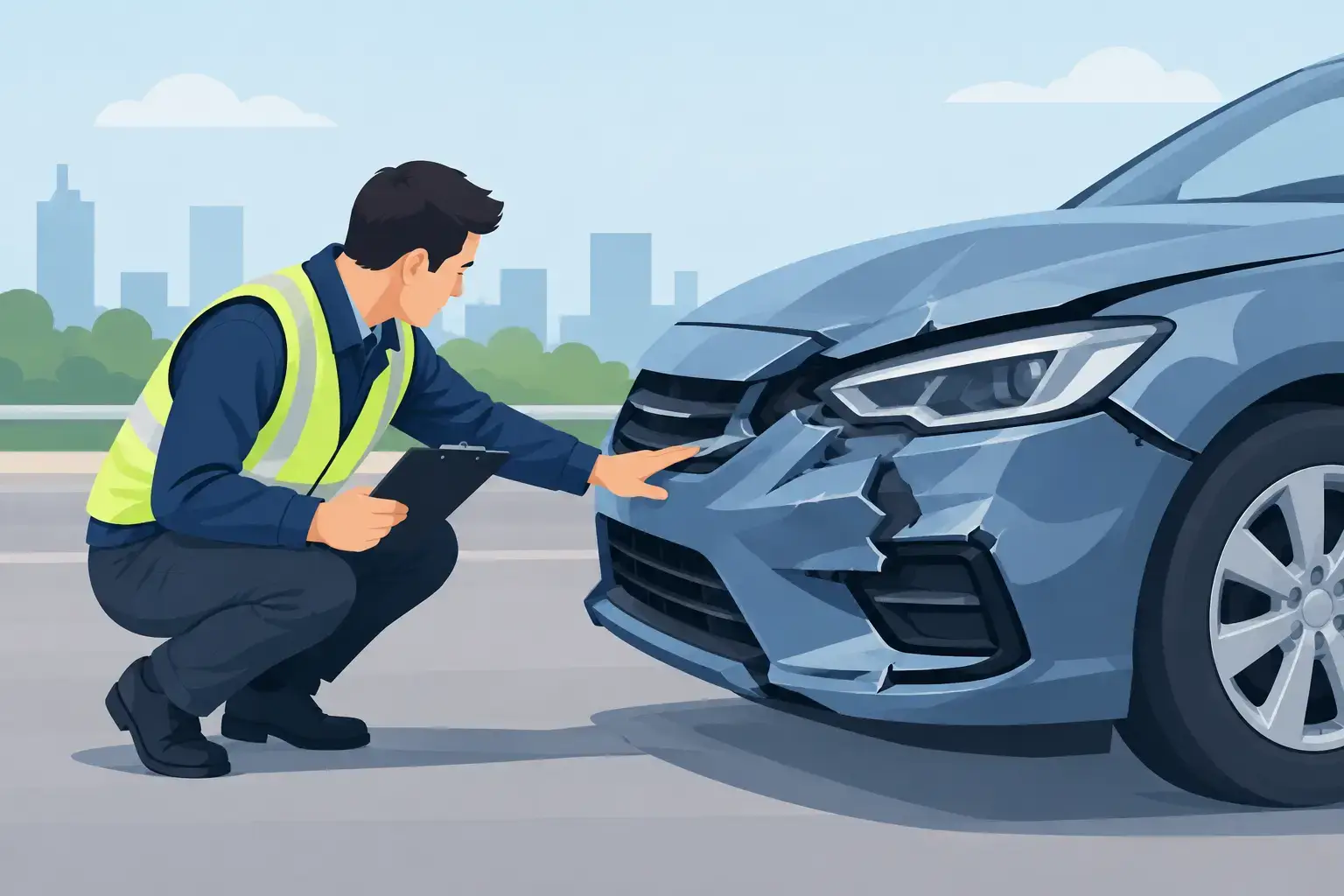
If the scratch, dent or bumper damage happened in an accident, your insurer may cover the repair depending on your policy and excess. The repair method still matters. An insurer-approved assessment should identify any hidden damage and specify the work needed to return the vehicle to a safe, presentable condition.
Photographs can be useful when you first notice the damage, particularly if another vehicle was involved. Avoid trying to polish out deep marks or applying an off-the-shelf touch-up kit before the assessment. That can make it harder to judge the original damage and, in some cases, may complicate proper preparation.
At Professional Panel + Paint, the team can assess cosmetic and collision damage, provide a clear quote and help coordinate the insurance side of the repair. Most standard repairs are targeted for completion within five to seven working days, although parts availability, damage extent and paint curing requirements can affect the timeline.
How to decide before booking a repair
Start by looking closely at the damaged area in clean, natural light. If the mark catches your fingernail, exposes another layer beneath the paint, or sits beside a dent, it deserves a professional inspection. If it is a small surface mark with no panel damage, touch-up may be enough.
Also consider where the damage sits. A minor chip low on a bumper may be less noticeable than a mark in the middle of a door. High-visibility areas, complex curves and metallic finishes leave less room for compromise, making a full panel repair or blended repaint more worthwhile.
The right repair should protect your vehicle as well as improve its appearance. Bring the car in for an assessment before deciding on a quick fix. Honest advice at the start helps you choose a finish that looks right now and continues to hold up on the road.


Comments