

Side Impact Repairs After a Car Accident
A knock to the side of your car can look straightforward at first: a scraped door, a dent above the wheel, a damaged mirror or paint transferred from another vehicle. But side impact repairs often need more than a cosmetic fix. Behind the visible damage, there may be issues with door alignment, window operation, side airbags, sensors or the vehicle’s structure. A proper assessment gives you a clear picture before repair work begins.
For Auckland drivers, that matters because side damage can quickly turn a normal commute, school run or workday into an insurance job with a lot of moving parts. The right repairer should make the process simpler, explain what they have found in plain language and return your vehicle looking right and driving safely.
Why side damage needs a careful inspection
The side of a vehicle contains more than exterior panels. Depending on where the impact landed, it can involve the front or rear door, sill panel, B-pillar between the doors, quarter panel, guard, wheel arch, suspension components and roof edge. Modern vehicles can also have blind-spot monitoring equipment, cameras, parking sensors and side-impact airbag systems located nearby.
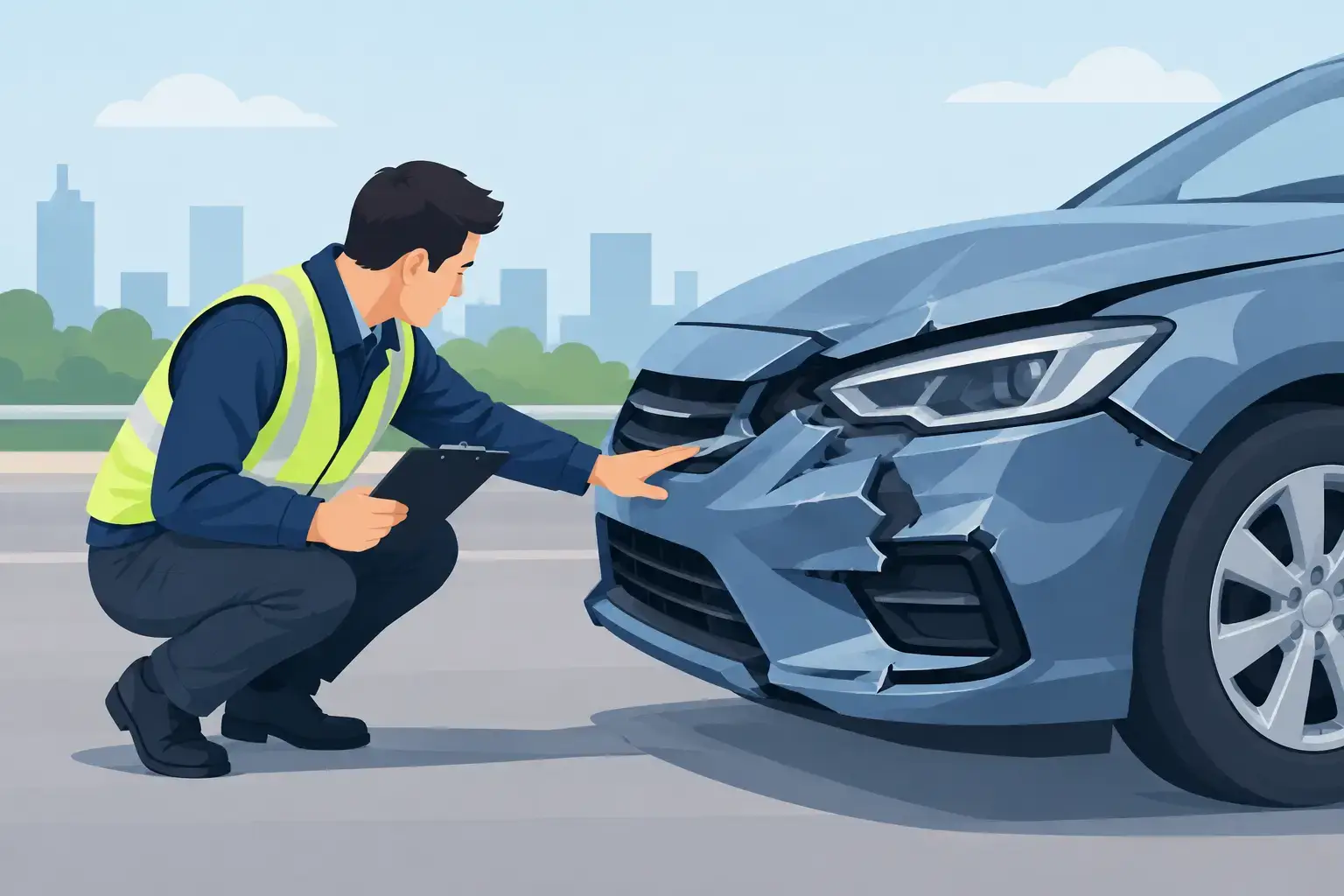
A minor scrape against a post may only require paint and panel work. A collision with another car, particularly around the doors or wheel area, can create damage that is not obvious until the vehicle is measured and stripped down. A door that shuts but needs an extra push, a window that catches, a new wind noise or uneven gaps between panels are all signs worth checking.
The goal is not to replace every affected part automatically. It is to identify what can be repaired safely, what needs replacing and what needs recalibration once the bodywork is complete. That is why a visual quote from a photo can be useful as a starting point, but a workshop inspection is often needed for an accurate repair plan.
When side impact repairs are more than panel work
Panel beating restores the shape of damaged metal or plastic, but a quality repair starts with the vehicle’s underlying condition. If a side impact has pushed a door aperture, sill or pillar out of position, the workshop may need to use measuring equipment and approved pulling methods before refinishing can begin. This helps ensure doors close correctly, seals sit properly and the vehicle retains its intended alignment.
Damage near a wheel should be taken particularly seriously. A hard side impact can affect a tyre, wheel, steering or suspension, even where the panel damage appears limited. If the car pulls to one side, the steering wheel is off-centre, there is vibration or a tyre has a visible mark or bulge, avoid treating it as a paint-only job. Have it assessed before regular driving.
The same applies to safety systems. If an airbag warning light is on, or the impact triggered an airbag, the vehicle needs professional attention. Airbags, seatbelt pretensioners and related sensors are safety-critical components. They should never be ignored, reset without diagnosis or treated as an optional part of the repair.
What happens during a professional repair
A good repair process is methodical, because each stage affects the result that follows. After inspecting the vehicle, the repairer prepares an estimate that covers visible damage and notes any areas that may require further assessment once parts are removed. For insurance work, this estimate is normally provided to the insurer for approval.
Once authorised, damaged trims, lights, door hardware and affected panels may be removed to inspect the extent of the impact. The technician can then repair or replace components as required, restore panel alignment and prepare surfaces for paint. Where a replacement part is the best option, the choice will depend on availability, safety requirements and the agreed repair scope.
Colour matching is not simply a matter of using the paint code printed on the vehicle. Paint changes over time due to sun exposure, washing and normal wear. A professional spray painter uses colour-matching technology and test cards, then blends colour into adjacent panels where necessary so the repaired area does not stand out in different light.
After painting, the vehicle is reassembled, checked for fit and finish, and cleaned. Depending on the repair, the final checks may also include window operation, central locking, exterior lighting, sensor function and wheel alignment. The standard should be a repair that looks professional, operates as it should and does not leave you wondering whether something has been missed.
Repair or replace: what determines the decision?
Drivers often ask whether a dented door or quarter panel can be repaired. The honest answer is that it depends on the location, depth and spread of the damage, as well as whether the panel has sharp creases, torn metal, corrosion or damage close to reinforcements.
A repair can be the sensible choice where the panel is sound and can be reshaped without compromising its fit or finish. Replacing a panel may be better where the damage is extensive, the component is safety-related or a repair would take longer and produce a less reliable result. The cheapest path is not always the best value if it leaves poor panel gaps, mismatched paint or recurring issues later.
Plastic bumper corners, mirror housings and mouldings are assessed differently from metal panels. Some can be repaired and refinished successfully, while cracked mounting points or heavily distorted parts may need replacement. Your repairer should explain the recommendation and provide a transparent quote, with no surprises about the work being carried out.
Handling insurance after a side collision
After an accident, take photos of the vehicles, damage, number plates and road position when it is safe to do so. Exchange details with the other driver, note the date and location, and contact your insurer as soon as practical. If anyone is injured or there is an immediate safety risk, contact emergency services first.
Your insurer may ask for a claim number, photos and a repair estimate. An insurer-compatible body repair workshop can help by documenting the damage, preparing the estimate and communicating with the insurer during approval. That support is valuable when you are already dealing with transport arrangements and the disruption of being without your car.
Do not delay an assessment simply because the damage seems cosmetic. Water can enter through damaged seals, exposed metal can begin to corrode and a misaligned door may become harder to close over time. Early advice gives you more options and lets you understand whether the car is suitable to drive while the claim is being processed.
How long do side repairs take?
Timing depends on the severity of the impact, parts availability, insurer approval and whether hidden damage is discovered during dismantling. A small repair to a door or bumper corner may be completed relatively quickly. More involved repairs affecting several panels, structural sections, suspension or safety systems can take longer.
For many standard collision repairs, Professional Panel + Paint aims for a five to seven working day turnaround once the repair is approved and parts are available. That is a target, not a promise for every job. Clear updates matter more than an unrealistic date, especially where an insurer needs to approve additional work or a specific part is delayed.
If being without your vehicle will affect work or family commitments, ask about loan vehicle availability when booking. Planning this early can make the repair period far less disruptive.
What to do before booking your vehicle in
You do not need automotive knowledge to get started. Take a few clear photos, write down any changes you have noticed in the way the car drives or operates, and keep your insurer claim information handy if you have already lodged a claim. Remove personal items from the vehicle before it goes into the workshop, including items from the glovebox, door pockets and boot.
Most importantly, trust your judgement if the car feels unsafe. A dragging tyre, warning light, loose panel, broken glass, door that will not latch or fluid leak should be checked promptly rather than driven around until a convenient time. Getting the damage assessed early is the practical first step towards a safe, tidy repair and getting your routine back on track.


Comments