

When to Repaint a Car: 7 Signs You Shouldn’t Wait
A scrape along the door, peeling clear coat on the bonnet or a bumper scuffed in a car park can make any vehicle look tired quickly. But knowing when to repaint a car is not just about appearance. Damaged paint can expose metal and plastic surfaces to moisture, allow corrosion to spread and reduce the value of a vehicle when it is time to sell or trade it in.
A full repaint is not always necessary, and neither is rushing every tiny mark into a workshop. The right decision depends on where the damage is, how deep it goes and whether the paint system is still protecting the panel underneath. Here are the signs Auckland drivers should take seriously.
When to repaint a car after paint damage
1. The damage has gone through to bare metal
If you can see metal beneath the paint, arrange an assessment sooner rather than later. Stone chips on the bonnet, deep scratches near door handles, damaged wheel arches and scrapes on panel edges are common places for this to happen.
Once bare steel is exposed, water and contaminants can get in. Surface rust may begin as a small brown mark, but it can spread below surrounding paint and turn a straightforward refinishing job into more involved panel repair. Coastal air and wet winter conditions can speed that process up.
A technician can assess whether the area can be repaired and blended into the existing paintwork, or whether the full panel needs repainting for an even, durable result.
2. Clear coat is peeling, flaking or turning cloudy
Modern vehicle paint generally has a coloured base coat protected by a clear top coat. When that clear coat fails, the finish can look dull, patchy, milky or as though it is peeling away from the colour underneath. This is often most visible on the roof, bonnet and boot lid where sun exposure is greatest.
Polishing may improve light oxidation, but it cannot restore clear coat that has already failed. Continuing to buff the affected area can remove more of the remaining protective layer. Repainting is usually the proper fix once peeling or flaking has started.
The sooner it is dealt with, the better the chance of containing the repair to the affected panels rather than allowing the deterioration to spread.
3. Rust bubbles are appearing under the paint
Bubbling paint is rarely just a cosmetic issue. It often means rust has begun underneath the paint film, pushing it away from the panel. You may notice it around stone chips, wheel arches, door bottoms, windscreens or previous repair areas.
Repainting over rust is not a lasting repair. The affected metal needs to be properly treated, repaired or replaced where required, then primed, painted and protected. Skipping those preparation stages may make the panel look better briefly, but the rust can return underneath the new finish.
This is one situation where an honest repair assessment matters. The visible patch may be small, while the corrosion behind it needs more careful work.
4. Accident repairs have left cracked or mismatched paint
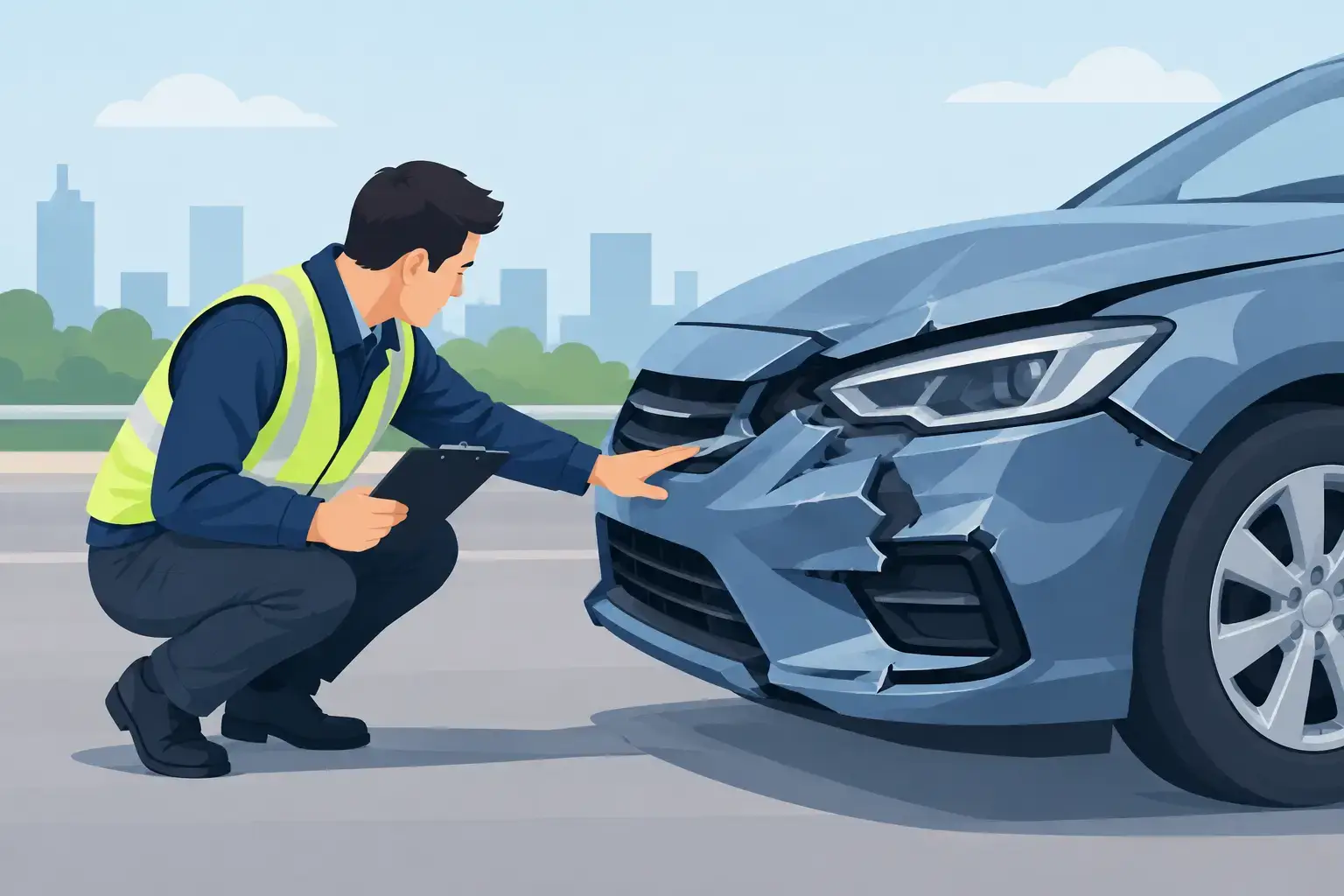
After a collision, even a low-speed one, paint damage can extend beyond what is obvious at first glance. A bumper might have paint cracks around the impact point, a guard may be slightly distorted, or a door edge may no longer sit correctly against the adjacent panel.
Cracked paint should not simply be covered up. The panel or bumper needs to be repaired and prepared correctly before refinishing. Otherwise, movement in the damaged area can cause the new paint to crack as well.
Colour mismatch is another reason to repaint professionally. White, silver, grey, red and pearl colours can be especially difficult to match by eye. A quality workshop uses colour-matching technology and controlled spray processes, then blends where needed to make the repair sit naturally alongside the original finish.
5. The vehicle has widespread fading or oxidation
If the paint looks flat across several panels, a cut and polish may be worth considering before committing to repainting. Light oxidation, minor swirl marks and dullness can often be improved significantly with professional paint correction.
However, paint correction has limits. If the colour has faded unevenly, the clear coat has broken down, or the finish is thin from repeated polishing, repainting may be the more reliable long-term option. This is particularly common on older vehicles that spend long periods parked outside.
The trade-off is straightforward: polishing is less invasive and usually more affordable when the paint is still sound. Repainting costs more, but it renews the protective paint system when that system has failed.
6. A previous repair is failing
Paint that is lifting at the edge of a repair, showing sanding marks, cracking, blistering or looking noticeably different in sunlight may point to a poor previous repair. It does not automatically mean the entire vehicle needs repainting, but it does mean the affected area needs to be inspected.
Proper automotive refinishing is built on preparation. That includes repairing the substrate, removing failed material, using the correct primers and allowing each stage to cure properly. A shortcut underneath the top coat often shows up later, especially with Auckland’s changing weather and everyday road use.
At Professional Panel + Paint, the focus is on identifying the cause before recommending the scope of work. That gives you a repair plan based on what your vehicle actually needs, without surprises.
7. You are preparing to sell, but the paint damage is obvious
A repaint can improve a vehicle’s presentation and perceived value, but it should be considered carefully before sale. Repairing a damaged bumper, deep scratches or peeling clear coat can make a meaningful difference to first impressions. Repainting an entire car purely to sell it may not always return its full cost.
For most owners, targeted repairs are the sensible middle ground. Focus on the damage buyers will notice immediately: bumper corners, door dents, roof and bonnet clear coat failure, rust spots and mismatched collision repairs. A workshop can advise whether a spot repair, single-panel repaint or broader refinishing job offers the best value.
When a repaint can wait
Not every blemish needs urgent work. Very light clear-coat scratches, small marks that do not expose primer or metal, and minor scuffs on an unpainted plastic trim may be manageable for a while. A professional assessment can also show whether a touch-up, bumper repair or cut and polish will achieve the result you want.
The key is not to guess based on how a mark looks from a distance. Run a clean fingernail gently across the scratch. If it catches deeply, if you can see a different colour beneath the surface, or if there is any sign of rust, it is worth having checked.
Why professional repainting makes the difference
Vehicle painting is more than applying colour over a damaged area. The panel must be clean, stable and correctly shaped before paint goes on. The repair then needs compatible primers, accurate colour formulation, controlled application and curing, followed by final checking under proper lighting.
A professional repair also considers adjacent panels. A perfectly mixed colour can still look wrong if it has not been blended appropriately, particularly on metallic and pearl finishes. The goal is not simply to hide the damage. It is to restore a finish that looks right in shade, sunlight and the supermarket car park.
If the damage followed an accident, your insurer may also require a repair estimate and supporting information. A workshop experienced with insurance repairs can help make that process clearer while keeping you informed about the repair scope and likely timeframe.
Protect fresh paint after the repair
Once repainting is complete, follow the workshop’s care advice. Fresh paint needs time to fully cure, even if the vehicle is ready to drive. Avoid harsh washing chemicals, abrasive polishing and automatic brush washes during the recommended curing period.
After that, regular washing helps remove road film, bird droppings and tree sap before they mark the surface. Parking under cover where practical and addressing new chips promptly can also help preserve the finish.
A small paint issue rarely gets more convenient by waiting. If you are unsure whether your vehicle needs a touch-up, a panel repaint or a more complete repair, an assessment gives you clear advice and a practical next step before minor damage becomes a larger job.


Comments