

Bumper Replacement Versus Repair Explained
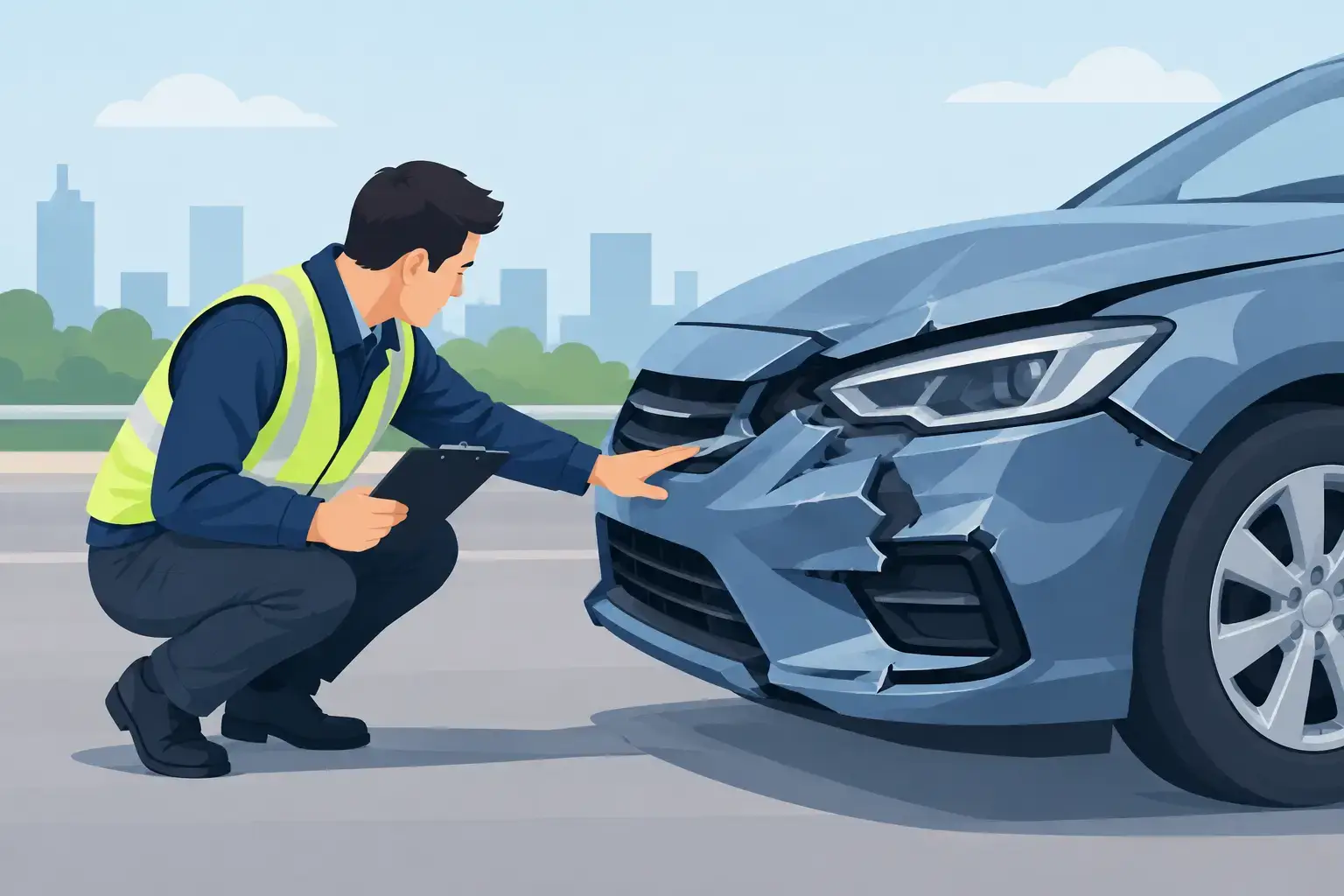
A low-speed knock in a car park can leave a bumper looking worse than it is. On the other hand, a small-looking split may hide broken mounts, damaged sensors or impact damage behind the bumper cover. When considering bumper replacement versus repair, the right choice comes down to more than the visible scrape. A proper assessment protects your vehicle’s appearance, safety systems and resale value, while avoiding unnecessary cost.
Bumper replacement versus repair: start with the damage
Most modern bumpers are made up of several parts. The painted outer cover is usually flexible plastic, while an energy-absorbing foam section, reinforcement bar, brackets, wiring and sensors sit behind it. A dent or scrape in the outer cover does not automatically mean the entire bumper needs replacing.
Repair is often a sensible option when damage is limited to surface scuffs, paint transfer, light scratches, shallow dents or a small crack in an accessible area. Skilled panel beaters can reshape plastic, repair minor splits, prepare the surface and refinish it with correctly matched paint. The result should look natural rather than like a patch repair.
Replacement becomes more likely when the bumper is severely cracked, torn, distorted or missing material. It may also be necessary if mounting points have broken away, the bumper no longer fits flush with the guards or headlights, or there is damage to the components behind it. The goal is not simply to make the car look better. It is to restore correct fit, protection and operation.
When bumper repair is the better option
A repair can be the most efficient and cost-effective solution for everyday cosmetic damage. Typical examples include a scrape against a pole, parking damage, a shallow crease, stone chips or paint damage from a minor collision. If the bumper cover remains structurally sound and secure, there is often no reason to discard it.
The quality of the repair matters. Plastic needs to be cleaned, correctly prepared and repaired using materials suited to the bumper type. A rushed job can leave visible sanding marks, poor paint adhesion, mismatched colour or cracking around the repair later on. Professional refinishing also considers the way metallic and pearl colours sit in the paint, so the repaired area blends properly with adjacent panels.
Repair may also make sense for insurance work where the damage is minor and the insurer approves it. It can reduce parts delays and keep the vehicle off the road for less time. However, cost should never be the only factor. If a repair will not provide a durable or safe result, replacement is the honest recommendation.
Signs your bumper should be replaced
Some damage is beyond a reliable repair, even if it can be made to look acceptable from a distance. A bumper replacement is usually the better path when there are deep tears, large holes, widespread cracking, badly stretched plastic or broken tabs that prevent secure mounting.
Fitment is a major clue. If there are uneven gaps around the headlights, grille, guards or bonnet, the bumper may have shifted or sustained damage at its mounting points. Forcing it back into place can conceal the issue temporarily, but it may come loose again or continue to rub against nearby panels.
Modern vehicles also make the decision more technical. Parking sensors, radar units, cameras, washer systems and active safety equipment can be located in or behind the bumper. A collision can damage these parts without leaving obvious marks on the outside. If a sensor warning appears on the dashboard, the bumper sits out of position, or the impact was more than a light tap, the vehicle should be inspected before you keep driving as normal.
In some cases, the bumper cover is repairable but the absorber, reinforcement bar, brackets or sensor mounts are not. Replacing only the damaged components can be the correct solution. This is why an in-person inspection is more dependable than deciding from a photo alone.
Cost is more than the price of the part
It is understandable to compare bumper replacement versus repair by looking for the cheapest immediate option. Yet a bumper repair quote and a replacement quote include different work. Repair usually involves labour to reshape and prepare the existing cover, followed by paint and blending where required. Replacement includes the new bumper cover, any clips or brackets, preparation, painting and fitting.
A new bumper does not normally arrive in your vehicle’s exact colour. It still needs professional paint preparation and colour matching. Depending on the make and model, replacement parts can also vary in availability and quality. A quality supplier part that fits correctly is preferable to a poorly fitting option that creates panel gaps or requires excessive adjustment.
Insurance may cover accidental bumper damage, subject to your policy excess and claim circumstances. If you are claiming, a repairer can help document the damage, prepare an estimate and communicate clearly with the insurer. This reduces the guesswork at a time when you may already be managing transport, work and family commitments.
Safety checks should not be skipped
Bumpers are designed to manage low-speed impacts and protect components behind them, but they are not only cosmetic panels. After a collision, a technician should check for damage to the reinforcement bar, absorbers, brackets, lights, wheel arch liners and undertray. On some vehicles, cooling components, radar sensors and wiring are close behind the front bumper.
A rear impact also deserves care. It may affect reverse sensors, cameras, exhaust clearances, the boot floor or the rear body structure. If the bumper has popped out, feels loose, has sharp edges, or a warning light has appeared, arrange an assessment promptly. Do not rely on cable ties or temporary fixes for a bumper that is no longer secure.
Where driver-assistance systems are involved, repairs may require calibration or functional checks after refitting. That step helps ensure features such as parking assistance, emergency braking support or blind-spot monitoring work as intended. It is one reason a professional repair process is worth more than a surface-level fix.
What to expect from a professional assessment
A clear assessment begins with the visible damage, then looks behind the bumper and checks its fit against surrounding panels. The repairer should explain whether the cover can be repaired, which parts need replacing and why. You should also receive a transparent estimate that separates the necessary work from optional cosmetic improvements where appropriate.
Photos are useful for an initial conversation, particularly after an accident, but they cannot always show hidden damage. Bringing the vehicle into a workshop allows the team to inspect mounting points, scan for obvious warning issues and identify any parts required before work begins. This helps prevent surprises once the bumper is removed.
For many straightforward bumper repairs, the work can be completed within a practical workshop timeframe once parts and paint requirements are confirmed. More involved collision repairs or parts delays can take longer. A good repairer will keep you informed rather than promising a date that cannot be met.
Choosing the result you will be happy with
The best choice is not always replacement, and it is not always repair. A well-executed repair preserves a sound original bumper and can be an excellent outcome for minor damage. A correctly fitted replacement is the safer long-term decision when the bumper or its mounting and safety-related components have been compromised.
At Professional Panel + Paint in Grey Lynn, the focus is on honest advice, quality repairs and getting Auckland drivers back on the road safely and efficiently. If your bumper has been scraped, cracked or knocked out of place, have it assessed before the damage becomes a bigger inconvenience. A clear explanation of the repair options can make the next step much easier.


Comments