

Repairing Cracked Plastic Bumpers Properly
A cracked bumper can make an otherwise well-kept car look worse than the impact that caused it. Whether it happened in a car park, on a steep driveway or in slow-moving traffic, repairing cracked plastic bumpers properly is about more than making the damage less obvious. The bumper needs to be stable, correctly aligned and refinished so the repair holds up to everyday driving.
Modern bumper covers are designed to absorb minor impacts, which is useful in a knock but can leave plastic split, torn, distorted or scuffed. A tidy-looking temporary fix may be tempting, especially when the crack seems small. However, the wrong repair can reopen with vibration, affect sensor operation or leave a visible line through fresh paint. A professional assessment gives you a clear answer on whether the bumper can be repaired or should be replaced.
When can a cracked plastic bumper be repaired?
Many plastic bumper cracks are repairable, particularly when the damage is localised and the bumper has kept its overall shape. Small splits, tears around a corner, detached tabs and scuffs can often be restored with the right preparation, plastic repair materials and paint process.
The key question is not simply how long the crack is. A technician will check where it sits, whether the plastic has stretched, how much of the bumper is affected and whether the mounting points remain secure. A crack across a flat, accessible section may be straightforward to repair. Damage around fog lights, grilles, wheel-arch edges or mounting brackets can take more care because those areas need to fit accurately once the bumper goes back on the vehicle.
A repair may not be the best option if the bumper is badly torn, heavily distorted, missing material or split through multiple structural mounting points. In those cases, replacement can provide a more reliable result and avoid spending time repairing a cover that will not sit correctly. Honest advice matters here: the cheapest-looking option is not always the one that lasts.
Why DIY bumper fixes often fall short
Plastic moves. It flexes in heat, cold, road vibration and minor contact, so filling the front of a crack alone usually does not address the reason it will fail. Adhesives, filler and paint must be chosen for the bumper material and applied to a properly prepared surface.
DIY kits can be suitable for very minor cosmetic marks, but they have limits. Home repairs commonly leave a ridge, pinholes, uneven texture or a paint colour that looks different in sunlight. More concerningly, a repair completed without removing the bumper can hide damage behind it, including broken retainers, crushed energy absorbers, loose splash guards or damaged brackets.
Modern vehicles also place more equipment behind or within the bumper cover. Parking sensors, reversing cameras, radar units, wiring looms and headlight washers may all need checking before repairs begin. If a sensor-equipped bumper is repaired or refitted incorrectly, it can create warning lights or systems that do not operate as intended.
How professional bumper crack repair works
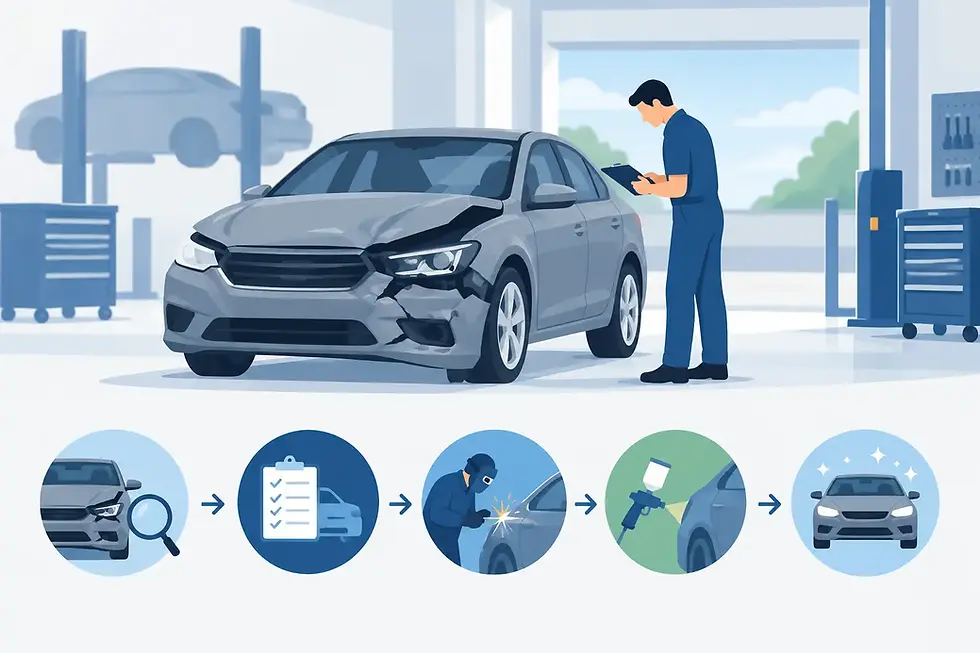
A proper repair starts with inspecting the full damaged area, not just the visible split. The bumper is usually removed where needed so the technician can inspect its reverse side, mounting points and the components behind it. This also allows a cleaner, more durable repair and better access for painting.
Preparing and stabilising the crack
The damaged plastic is cleaned thoroughly to remove road film, silicone, wax and contaminants that can affect adhesion. The crack is then prepared along its length, often from both sides, so the repair material can bond securely rather than merely sit on the surface.
Depending on the bumper plastic and damage, the repair may involve plastic welding, a flexible repair adhesive or reinforcement on the reverse side. The aim is to restore strength while retaining enough flexibility for normal use. Any distorted section is carefully reshaped, and broken tabs or brackets are assessed individually. Some can be repaired; others need replacement to ensure the bumper fits firmly against the guards and headlights.
Restoring the surface for paint
Once the repair is stable, the outer surface is levelled in stages using materials designed for flexible bumper plastics. The bumper then receives the appropriate primer and preparation before painting. This process is where shortcuts become visible later, particularly on darker colours, metallic finishes and bumper corners that catch the light.
Colour matching is not just a matter of using the vehicle's paint code. Age, sun exposure and previous repairs can alter the appearance of paint across the car. A professional refinishing process accounts for this and may blend colour into nearby panels where required to achieve a natural finish.
Refitting and final checks
After the paint has cured, the bumper is refitted carefully and panel gaps are checked. Sensors, lights, cameras and trims are reconnected and tested. The final result should look right from close up and from a few steps back, with the bumper sitting evenly and the repaired area not drawing attention to itself.
Repair or replacement: what affects the decision?
There is no one-size-fits-all answer for a cracked bumper. The right choice depends on the extent of damage, the type of vehicle, replacement-part availability and whether safety or driver-assistance equipment is involved.
Repair is often the sensible path when the crack is isolated, the bumper remains sound and a high-quality finish can be achieved. It can reduce waste and may be more cost-effective than fitting and painting a new cover. Replacement becomes more likely when the bumper has extensive tearing, severe distortion, missing sections or damage that prevents it from mounting securely.
For newer vehicles, the condition and location of radar sensors can influence the decision. A repair near an advanced driver-assistance sensor may need additional checks or calibration after refitting. Your repairer should explain this before work starts, rather than presenting it as an unexpected extra later.
What does bumper crack repair cost?
The cost of repairing a plastic bumper varies because the visible crack is only part of the job. Labour time depends on whether the bumper needs removal, how much plastic repair and reshaping is required, whether tabs are damaged, and how much painting or colour blending is needed.
A small, accessible crack with limited paint damage will generally cost less than a split bumper with broken mounting points and sensor-related work. Replacement costs can also vary widely between genuine, aftermarket and recycled parts. The correct choice depends on fit, quality, availability and your vehicle's requirements.
If the damage resulted from an accident, it may be covered by your motor insurer, subject to your policy and excess. A repair workshop experienced with insurance work can prepare a clear estimate, document the damage and help make the process less stressful. Do not assume that a bumper that looks minor has only cosmetic damage - an assessment can identify issues that are not visible from the outside.
What to do after noticing a bumper crack
Take a few clear photos before cleaning or taping over the area, particularly if another vehicle was involved. Check whether the bumper is loose, rubbing on a tyre, hanging near the road surface or causing a warning light. If it is, avoid driving it unnecessarily until it has been inspected.
Avoid pushing the crack together with screws, cable ties or household glue. These fixes can make later repair more difficult and may damage areas that would otherwise be repairable. It is also best not to pressure-wash directly over a split, as water can get behind the bumper cover and worsen loose edges or electrical concerns.
For Auckland drivers who need a complete repair arranged without chasing multiple providers, Professional Panel + Paint can inspect the damage, provide transparent advice, manage insurer communication where required and restore the bumper with professional paint matching. Most suitable repairs can be planned around practical turnaround expectations, with the condition of the vehicle and parts availability discussed upfront.
A cracked bumper does not always mean an expensive replacement, but it does deserve more than a quick cover-up. Have it assessed early, keep the repair decision based on the condition of the plastic and fittings, and you will give your car the best chance of returning to a safe, clean and properly finished condition.


Comments